 Buffalo Personal Injury Lawyer News
How to Get Compensation for Emotional Distress After A Car Accident


 In New York, no-fault insurance coverage is limited in its ability to mitigate the serious impacts of long-term emotional distress. However, survivors with serious injuries retain the right to file a claim for compensation against the person or party who caused their accident.
Under most circumstances, a personal injury lawsuit provides an opportunity to obtain recompense for the following:
- Economic Damages: Economic damages refer to verifiable financial losses. These could include your outstanding medical bills, lost income from work, and anticipated care needs.
 Car accidents can have life-altering repercussions. For many survivors, the road to recovery is anything but straightforward. Even when physical injuries seem likely to heal, other wounds sometimes linger for far longer—making it difficult for victims to get a good night’s sleep, reclaim their self-esteem, or live a life unburdened by pain.
 Over 2,000,000 people are injured in motor vehicle accidents each year. Further, the average driver will file a claim with their insurance company for a car crash once just about every 18 years. With statistics such as these, everyone needs to know what they should expect if they are in a car accident.
 Being involved in a car accident is stressful enough, but the prospect of a trial can feel overwhelming. Suppose you’re facing this situation in Upstate New York. In that case, understanding the process can ease your anxiety and empower you to make informed decisions. Our elite team of Buffalo, New York, car accident injury lawyers at the Dietrich Law Firm P.C. represents countless car accident victims and wants to guide you through what to expect during a trial.
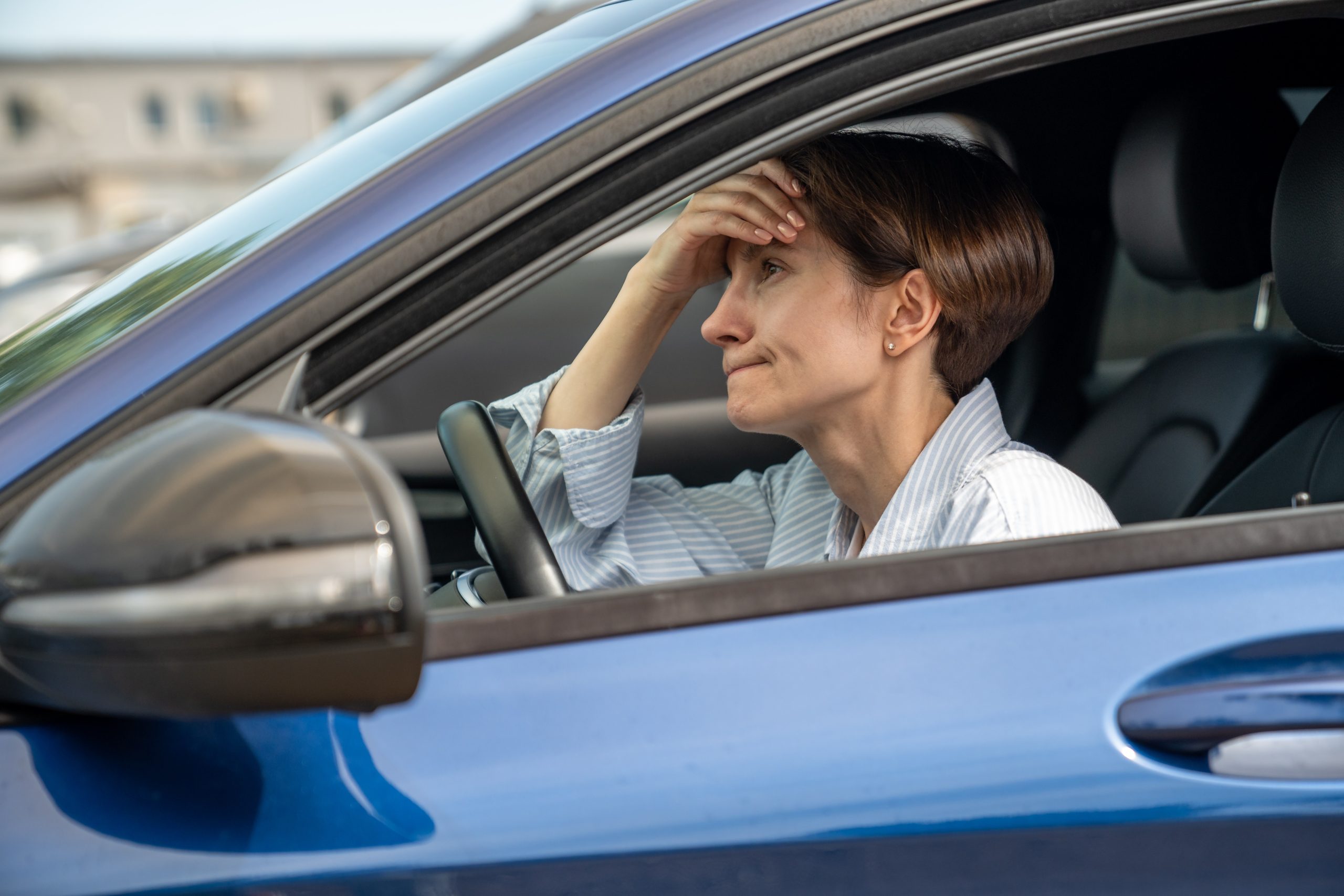 After being involved in a car accident caused by another driver’s negligence or recklessness, it is customary to be confused, anxious, and even angry. Very few crash victims ever anticipate being involved in devastating collisions or sustaining severe injuries. Consequently, most motorists are unsure about the appropriate actions to implement after their accidents. This commonly results in crash victims making critical mistakes. Although some oversights are relatively harmless, other mistakes could seriously prejudice your case and make recovering reasonable compensation difficult.
  Each year, millions of victims suffer severe, life-altering injuries and tragic fatalities in accidents on the road. The roads in Western New York are dangerous enough without even considering reckless drivers. Reckless driving poses a substantial risk to the motorist, occupants of other vehicles, pedestrians, and everyone else on the road. Unfortunately, many drivers engage in reckless driving despite knowing that these destructive behaviors considerably heighten their risk of causing a devasting accident.
  Even the smallest car outweighs the sturdiest of bicycles by a considerable margin. When cycling, the protection offered to riders is minimal, almost non-existent. Cyclists are alarmingly vulnerable to severe injuries in the event of a collision with a motor vehicle. From bone fractures and traumatic brain injuries to organ damage and even death, the impact is bound to be life-altering. The financial ramifications of a car accident as a bicyclist can be grave, as emergency medical treatments and hospitalization typically come at a steep price.
 Walking is a great way to get around and get some exercise in the process. Pedestrians can help reduce their carbon footprint while enjoying some fresh air. No wonder walking has become increasingly popular in recent times. However, if you prefer walking, being aware of the risks of being involved in a pedestrian accident is crucial. According to the National Highway Traffic Safety Administration (NHTSA), in a recent year alone, there were roughly 6,300 pedestrians killed in traffic-related accidents. When on foot, you are approximately 1.5 times more susceptible to being fatally injured in an accident than car occupants.
 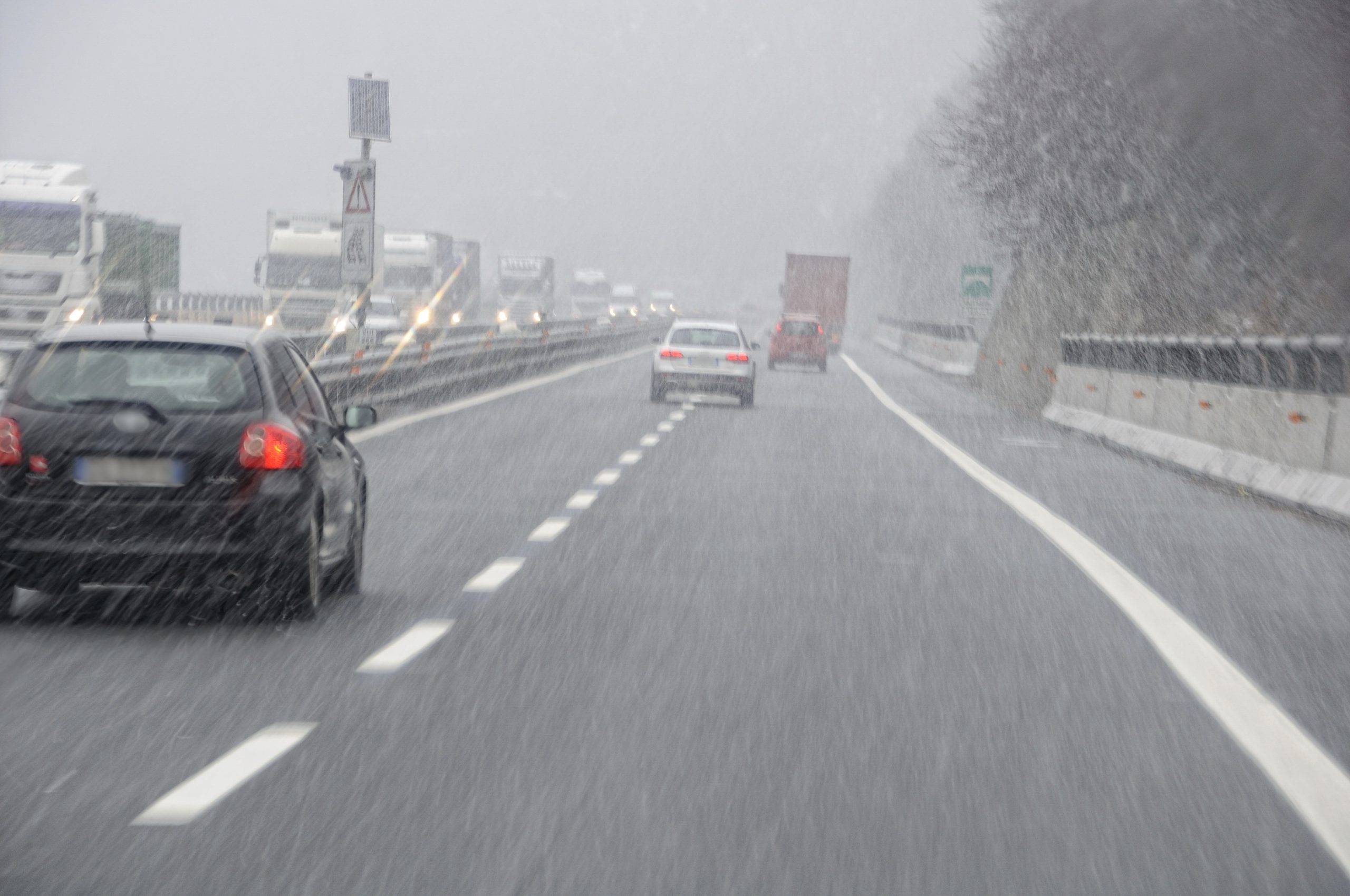 While car crashes can happen just about any time, the risk of being involved in a collision significantly increases in bad weather. In fact, bad weather conditions are notorious for causing devastating car accidents throughout Western New York. Heavy rain, intense snowfall, poor visibility, and slick roads can all easily cause you to lose control of your vehicle. Driving in poor weather conditions is even more dangerous when drivers fail to take proper safety precautions to prevent unnecessary accidents.