 Buffalo Personal Injury Lawyer News



What can a Pain Management Doctor do for your personal injury?



Serious accidents can have life-altering repercussions.
If you have been injured in an accident that was not your fault, filing an insurance claim and talking to a personal injury lawyer is often just the beginning of a long, drawn-out process.
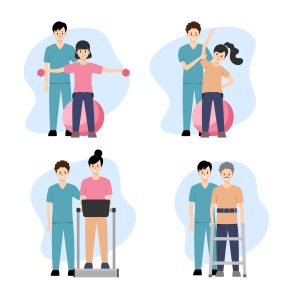
Even if you are confident that someday you will be fit enough and ready enough to resume your ordinary routine, traumatic injuries have a bad habit of hounding survivors for much longer than most anyone would anticipate. Physical pain can be both debilitating and disabling. In some cases, it could persist for years after an accident, serving as an ever-present reminder of a time you would rather move past than be reminded of every day.





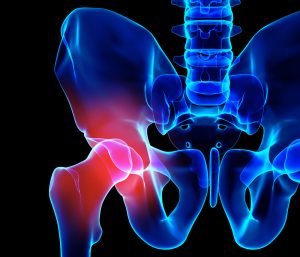 Your hip joint is the single most significant connection between your legs and torso.
 Your hands and wrists are so complex that any serious injury to a bone, nerve, or tendon could have serious repercussions. Even if you have the means to cover the initial costs of treatment, recovery rarely stops and ends with a single trip to the emergency room. Instead, you could be forced to take days, weeks, or months away from work, losing critical income while having to pay out-of-pocket for intensive medical procedures and long-term physical therapy.
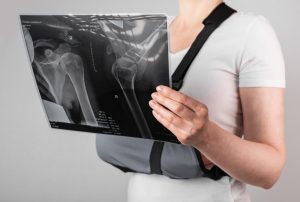 Joint and dislocation injuries often do not receive the attention they deserve.