 Buffalo Personal Injury Lawyer News
Types Of Damages In Personal Injury Claims


 Suffering injuries in any accident caused by another’s negligence or carelessness can have devastating consequences. Whether a foodborne illness, a car wreck, an attack by an unleashed dog, or a fall in an icy parking lot caused you harm, you may be having difficulty getting your life back on track. Victims of severe accidents are often forced to grapple with hospital bills piling up while unable to work or earn any income. With the severe bodily pain, emotional trauma, and financial challenges that victims struggle with, obtaining fair compensation is often the only way to bounce back. Damages refer to the compensation that a victim’s attorney can recover for them either through negotiating a settlement or trying the case to a verdict. Special, general, and punitive damages are the three primary types of personal injury compensation.
Special Damages
Special damages, also popularly known as economic damages, are based on a victim’s actual costs incurred due to losses sustained in the accident. The purpose of these damages is to restore precisely what the victim lost and return them to their pre-accident standing. Since special damages are easily verifiable and proven by tangible evidence, the amount awarded is relatively straightforward. Some common examples of economic damages include:
 After being severely injured in an accident, you are likely feeling shocked and overwhelmed. If someone else’s negligence or recklessness caused your accident, you might be entitled to pursue a personal injury claim. However, litigation can be nerve-wracking, especially when you are still coping with devastating physical pain and emotional trauma. Even minor proceedings may seem complicated if you have never filed an insurance claim or pursued a lawsuit in court.
  The word bellwether can be traced back to the 13th century when shepherds hung bells around the necks of some of their sheep to designate them as leaders. Similarly, bellwether trials are designed to track and monitor the potential results of a large group of lawsuits. They are test lawsuits that use individual claims originating from a group of widely contested lawsuits filed against the same party. When hundreds or even thousands of lawsuits are filed against one party, these trials allow a few select cases to go to court to predict how the remaining pending claims will turn out at trial.
 Although most personal injury lawsuits depend on proving negligence, there are certain cases where plaintiffs do not need to show that the defendant was negligent. Strict liability, also called absolute liability, is a legal doctrine that holds a person or entity responsible for a victim’s injuries, even if that party was not negligent or at fault. In cases involving strict liability, defendants can still be held accountable even if they exercised reasonable care.
  Under New York law, victims carry the burden of proof in lawsuits. In other words, to hold the other party responsible for your damages, you must first prove that their negligence caused your injuries. This means that you will need to present evidence to support your claims. As a general rule, the more evidence your attorney has to support your claim, the better the result you can expect. However, collecting evidence can be overwhelming, especially if you need help knowing where to start.
  After being injured in an accident, knowing what to expect when pursuing your claim brings you peace of mind. Some of our most frequently asked questions are about the summons. At the beginning of a lawsuit, a summons and complaint are two legal documents served to all defendants. The summons informs the defendant of the plaintiff’s commencement of the legal action and demands that they answer the complaint.
 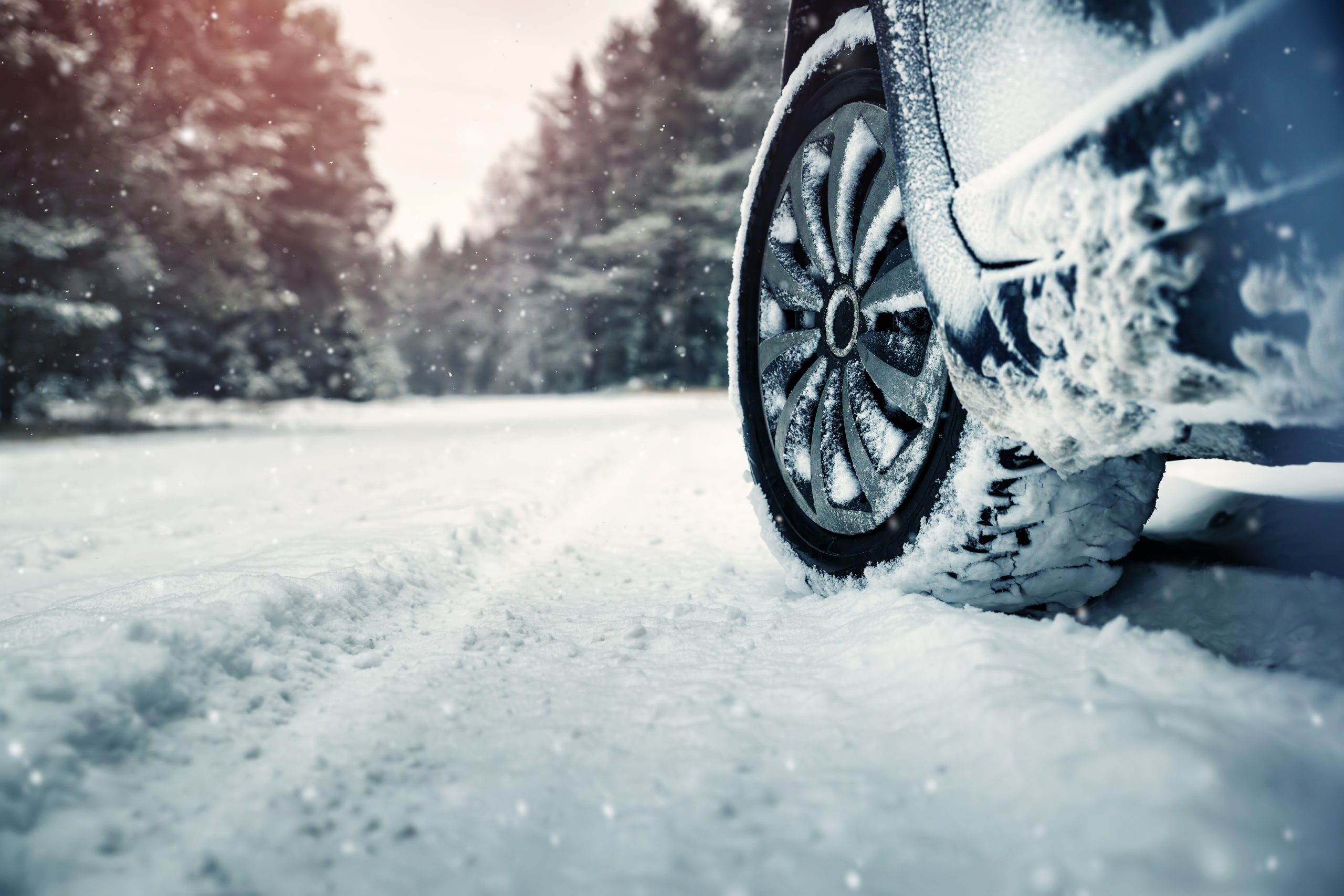 With an average of nearly 94 inches of snowfall per year, many Buffalonians consider driving through the snow to be a rite of passage. Unfortunately, driving anywhere in the winter can be extremely dangerous, especially during freezing conditions. When the temperature drops, ice often rapidly develops on our roads, highways, and parking lots. Since ice can make it difficult for a vehicle’s tires to maintain traction and significantly reduce friction, the rate and severity of car accidents drastically increase during winter. According to the National Highway Traffic Safety Administration (NHTSA), in a recent year alone, victims of wintry condition crashes suffered 374 fatalities and roughly 25,000 injuries.
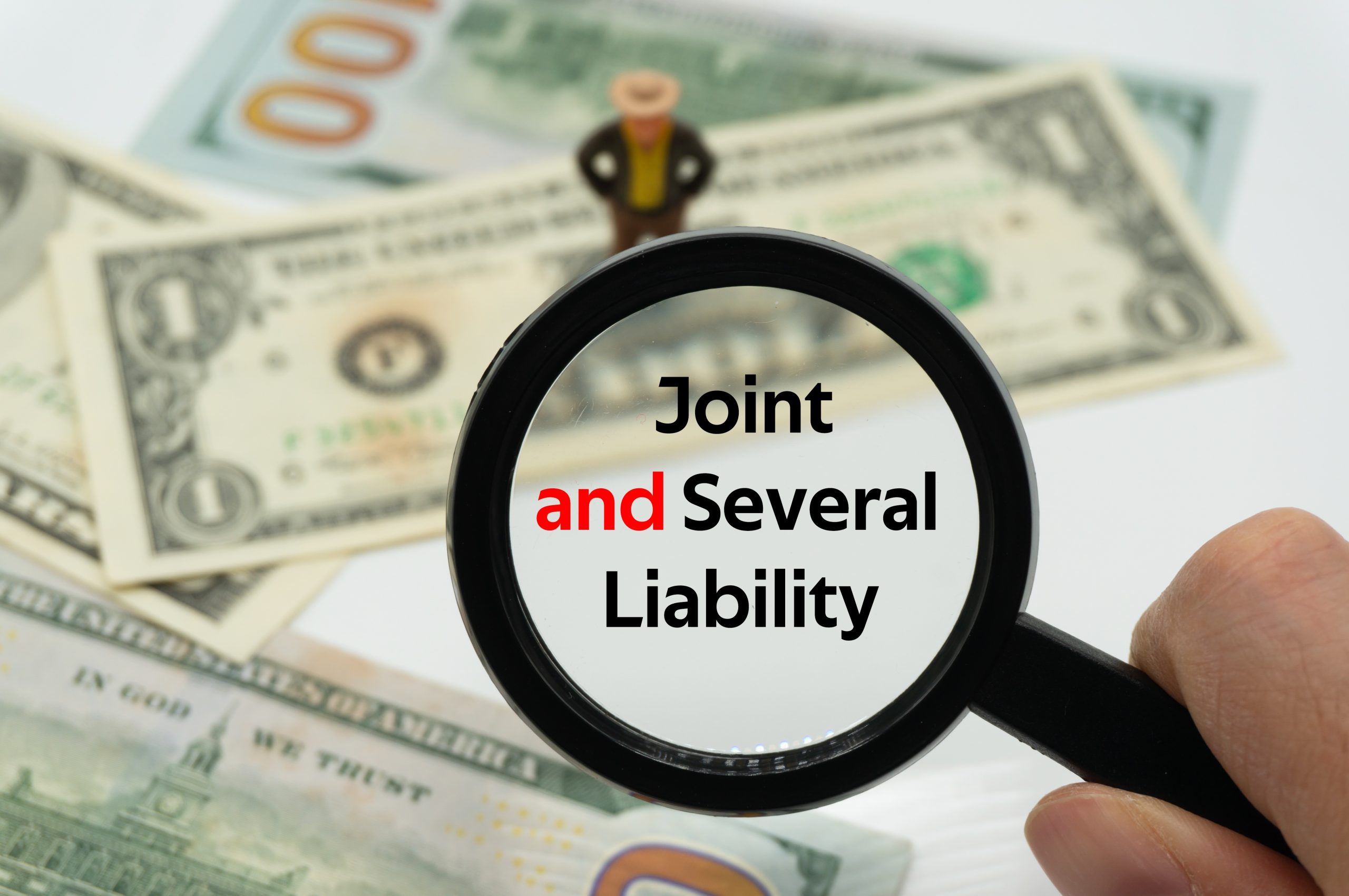 Personal injury accidents like car collisions often involve several parties. Whenever someone is partially to blame for a motor vehicle accident, they could be listed as a defendant and obligated to pay damages if found to be responsible for the plaintiff’s injuries. The rule of joint and several liability applies when there are multiple defendants. New York State’s joint and several liability law allows plaintiffs to hold defendants, individually or collectively, accountable for the total amount of their damages. In these cases, the plaintiff should consider how many defendants were involved, what percentage of fault can be allocated to each party, and each defendant’s automobile insurance policy coverage limits. Many drivers only carry New York’s minimum car insurance liability limits. While this may seem like enough coverage, the damages owed to victims in severe motor vehicle accidents often exceed these amounts.
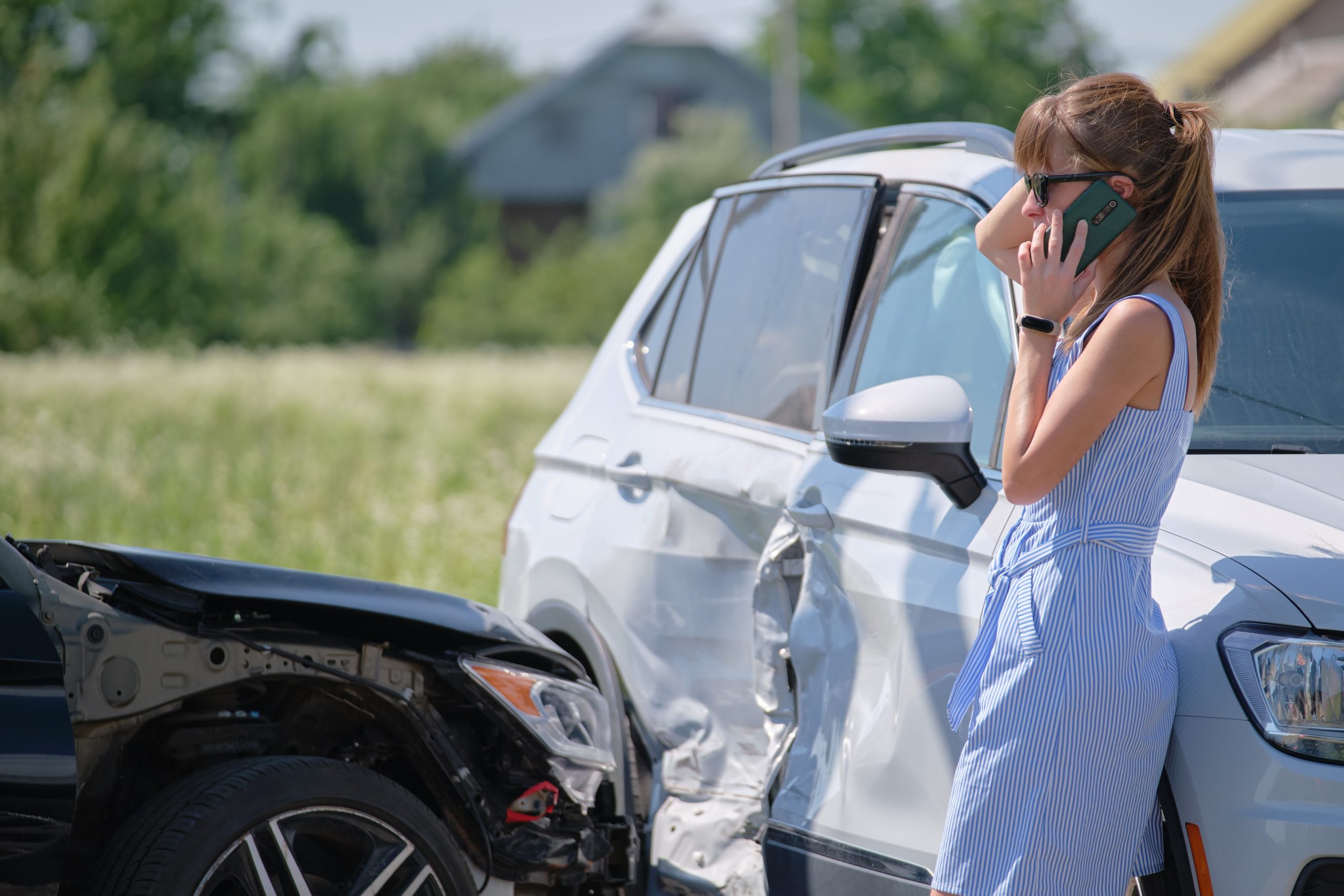 Suppose you were involved in a car crash and need to make an insurance claim or file a lawsuit. In that case, the Dietrich Law Firm P.C.’s top rated attorneys recommend obtaining a copy of the corresponding police report, also referred to as a police accident report. You can do this by going to the responding officer’s precinct and asking for it in person. The police department should be located in the jurisdiction where the accident occurred. However, you may be able to save yourself a trip by calling in advance to confirm. A copy of the police report will usually be provided for free. While it may be available immediately, sometimes it can take up to 30 days.
  New York State is home to some of the best All-Terrain Vehicle (ATV) parks and trails in the United States. Whether you are considering purchasing a four-wheeler or already own one, it is imperative to familiarize yourself with some of the relevant laws and safety precautions. Below, the Dietrich Law Firm P.C.’s battle-tested ATV accident injury lawyers have gathered some vital information.