 Buffalo Personal Injury Lawyer News
5 Tips To Avoid Rear-End Collisions


 If you or a loved one were involved in a car accident, there is a one-in-three chance it was a rear-end collision. According to the National Highway Traffic Safety Administration (NHTSA), rear-enders account for over 32 percent of all car accidents. While many of these accidents occur at low speeds, rear-end collisions still cause severe injuries and deaths.
You may be wondering why fender benders occur so often. Most rear-end collisions are caused by driver error. Although you cannot change how other motorists behave, you have complete control over your driving. In this blog, the Dietrich Law Firm P.C.’s battle-tested car accident lawyers will discuss essential tips to avoid rear-end collisions.
Safety Measures That Will Lower Your Risk
 Driving is one of the riskiest things you do every day. Many careless actions, such as speeding, giving in to distractions, and fatigued driving, can all significantly increase your risk of crashing. Driving under the influence of drugs or alcohol is especially dangerous. Fortunately, there are simple steps that you can take to keep yourself and others safe.
 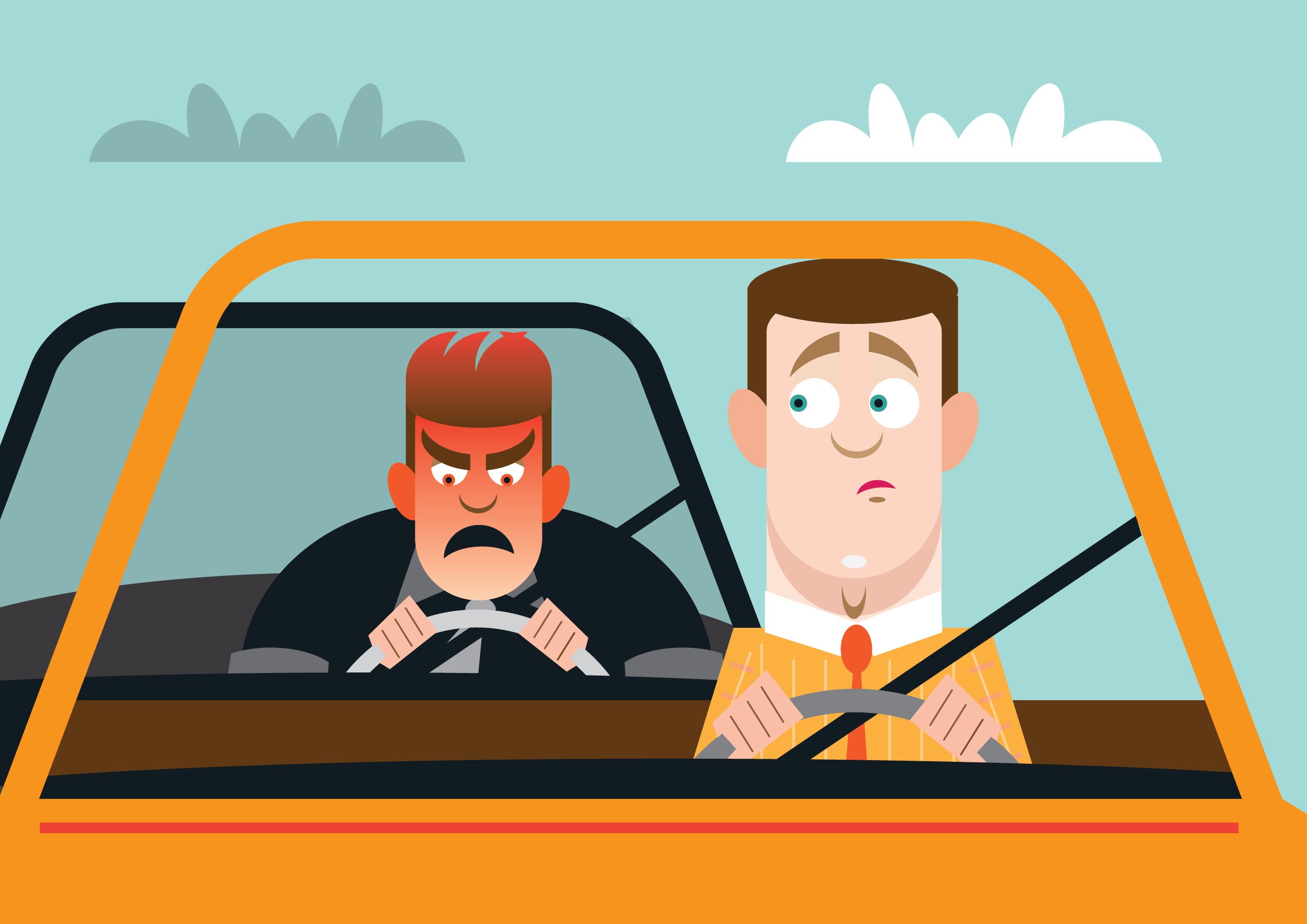 Road rage refers to a driver’s intense anger, typically sparked by another’s provoking behavior and manifested through aggressive or violent actions. In recent years, road rage incidents have hit record highs throughout the United States. According to the American Automobile Association (AAA), experiencing aggressive driving has become all too common, with approximately 80 percent of motorists reporting at least one incident within the past month.
 Victims of car accidents may be forced to deal with painful lacerations and bruises or even more severe injuries, like broken bones and traumatic brain injury (TBI). However, it is essential to remember that collision-related injuries are not always physical. It is common to experience various emotions, such as anxiety, anger, fear, and depression. For some victims, these feelings can persist long after their bodily injuries have healed.
  While car crashes can happen just about any time, the risk of being involved in a collision significantly increases in bad weather. In fact, bad weather conditions are notorious for causing devastating car accidents throughout Western New York. Heavy rain, intense snowfall, poor visibility, and slick roads can all easily cause you to lose control of your vehicle. Driving in poor weather conditions is even more dangerous when drivers fail to take proper safety precautions to prevent unnecessary accidents.
 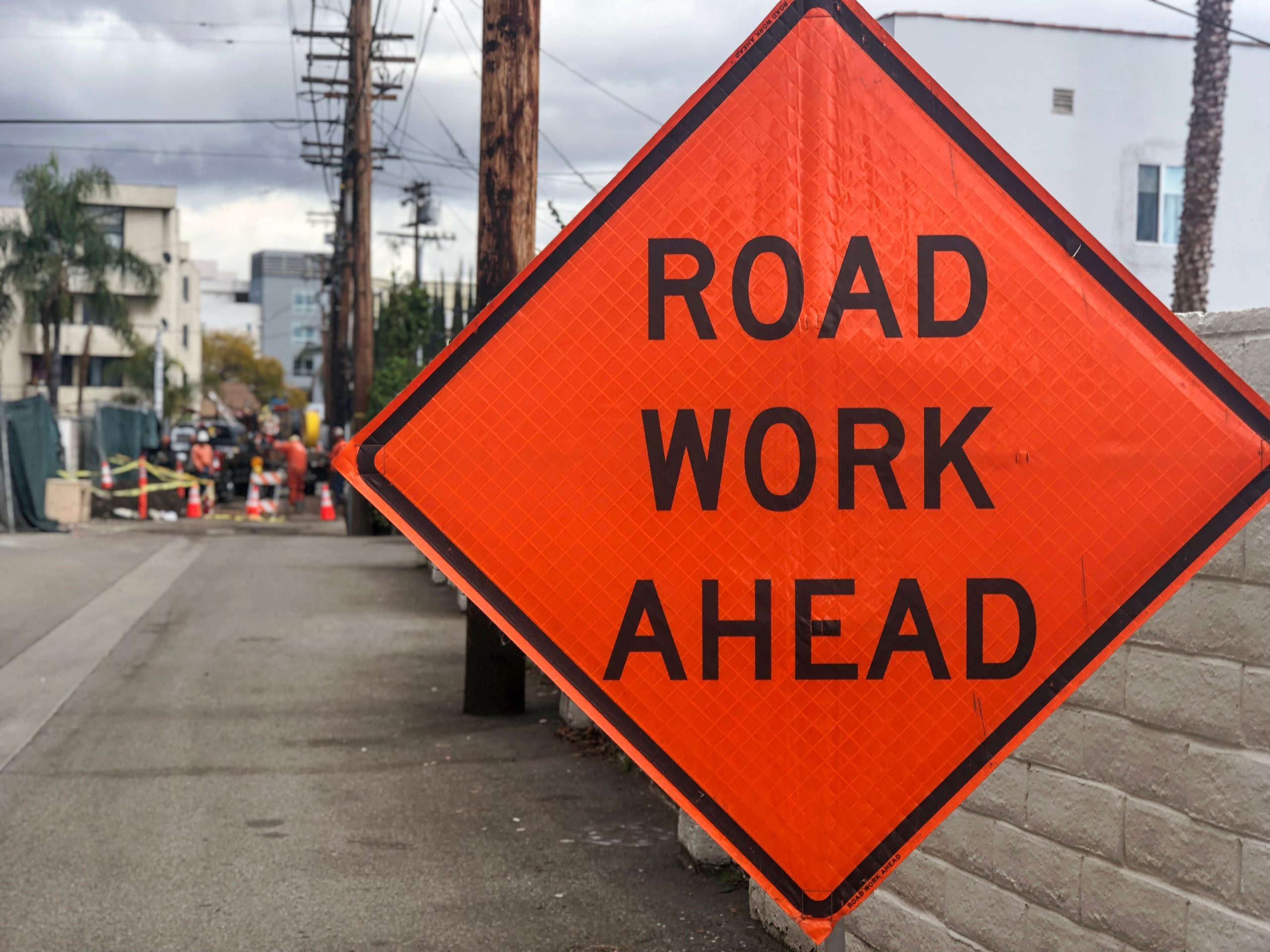 Another road construction season comes every year. While some drivers might get a little annoyed when they see the flashing arrows and orange cones, it is essential to remember construction crews are just doing their jobs. Without them, our roads and highways would never get repaired or resurfaced. You might not consider the dangers these workers encounter on the job, but being hit by a passing vehicle is at the top of the list. The additional challenges and distractions of construction zones also generate more significant risks for everyone on the road.
  Everyone leads a hectic life from time to time, and it is easy to get caught up in our busy schedules. Consequently, many drivers find themselves in a rush behind the wheel to reach their destinations on time. Regardless of how late you are, avoiding driving faster than the speed limit is crucial. Speed limits are posted for the safety of everyone on the road. Driving too fast will not only put you in danger but also others in the area, such as your passengers, pedestrians, bicyclists, and occupants of other vehicles.
  A fundamental rule lies at the heart of driving safely: unwavering attention to the road ahead. It’s a universally acknowledged truth that texting while driving can unleash a cascade of catastrophic events—wreaking havoc in the form of harrowing accidents, grievous injuries, and tragic loss of lives. We’ve all encountered those disconcerting moments behind the wheel, encountering fellow drivers whose focus seems adrift. Imagine the vehicle just ahead, swaying unpredictably. Despite your persistent horn blasts, the driver remains unperturbed. Frustration builds until you manage to overtake, only to catch a glimpse of the culprit—engrossed in texting on their phone. Does this unsettling scenario sound familiar?
 Buckle up for a startling revelation: in the United States, a car accident occurs every minute, according to the National Highway Traffic Safety Administration (NHTSA). Collisions have stealthily climbed the ranks to become one of the top three leading causes of preventable injuries and deaths. From minor fender benders to heart-stopping head-on encounters, the aftermath of each car accident can unleash a devastating wave of severe bodily harm, psychological trauma, and emotional distress.
 Getting into a car accident can be terrifying and nerve-racking, especially if you or a passenger have suffered severe injuries. You may not know where to turn, and to add insult to injury, it may feel like your insurance company is not offering you the compensation you deserve. Your injuries may be causing you considerable pain and make it impossible to maintain the same job or even work at all.