 Buffalo Personal Injury Lawyer News
Slipped Disc Injury


 The human spine comprises 33 vertebrae, each separated by a spongy member referred to as a disc. Each spinal disc contains a jellylike nucleus encased in a rubbery exterior called an annulus. These discs act as shock absorbers and cushions for the spine. Back injuries are often excruciating and can make it difficult for victims to move. One of the most common back injuries is a slipped disc, also called a bulging or herniated disc. As many as 2 percent of adults throughout the United States suffer from slipped discs each year. This type of injury occurs when a portion of the nucleus pushes out through a tear in the exterior. While any spine segment can suffer a slipped disc, most occur in the lower back. When left untreated, herniated discs can potentially cause permanent and life-altering complications.
Common Causes Of Slipped Disc Injuries
Our discs gradually become more rigid and susceptible to ripping open and rupturing as we age. Consequently, many victims suffer herniated discs from excessive spinal rotation or improper lifting of heavy objects. During an accident, a victim’s body can also be subjected to violent forces that cause the delicate spinal discs to be badly damaged, strained, or thrown out of place. Spinal injuries also commonly result from devastating accidents. Personal injury accidents that frequently cause slipped discs include:
 Victims of even minor car accidents often complain about headaches. Headaches suffered after a collision are commonly referred to as post-traumatic headaches because they result from the trauma. Accident victims may suffer head pain immediately, but it is not uncommon for headaches to start several hours or days after a collision. These headaches are often excruciating and debilitating. In addition to the severe pain, headaches can also be a symptom of concussions or traumatic brain injuries (TBIs). It is essential to remember that the severity is not always dependent on the seriousness of the collision. Ravaging and crippling headaches can even arise from low-impact accidents.
 Cement trucks transport wet cement to construct foundations, buildings, and driveways. When transporting cement, these massive trucks can weigh over 60,000 pounds. Since the weight of a concrete truck is disproportionately located in the mixing drum, these vehicles tend to be highly top-heavy. As a result, cement trucks have a rollover rate ten times higher than cars. When concrete truck drivers cause accidents, occupants of other vehicles risk suffering devastating injuries or worse. Every time a trucker slams on the brakes or makes a sharp turn, they place others in significant danger. Although collisions are bound to happen, many cement truck crashes occur because trucking companies, inattentive construction companies, or negligent truckers lack oversight.
 Liability in personal injury cases is often unclear and ambiguous. This is because a defendant may not be entirely responsible for the accident. It is not uncommon for plaintiffs to be partially at-fault too. Fortunately, victims may still be eligible to recover compensation for their damages even if they were partly to blame. When applying the legal doctrine of comparative negligence, also known as comparative fault, a plaintiff that contributed to their accident would still be awarded compensation for their damages. However, the total amount would be reduced based on their share of fault. Whether you have been hurt in a car crash, construction accident, slip and fall, or any other mishap, comparative negligence can significantly impact the compensation you obtain.
  A foodborne illness, also known as food poisoning, is any sickness caused by eating contaminated food. Over 200 diseases, from diarrhea to pancreatic cancer, are spread through tainted food. Everyone involved in the food cycle, including producers, processors, wholesalers, distributors, grocery stores, and restaurants, must take every necessary precaution to keep food safe.
  Suppose you or a loved one have suffered devastating injuries in an accident caused by someone else’s negligence. In that case, you must understand all of the legal options available to recover damages. Although accident victims have the right to take their injury claims to court under New York law, most lawsuits get settled without going to trial. Contrary to what most people think, only about 3 percent of all cases go to court.
  According to the Insurance Institute for Highway Safety (IIHS), in a recent year alone, there were over 1,040 motor vehicle crash-related deaths throughout New York State. Although defective vehicles and components commonly contribute to or significantly worsen many car accidents, most victims never even realize it. Collisions involving automobile defects are typically caused by dangerous vehicle designs, substandard components, and other manufacturing errors. All car designers and manufacturers have a legal duty to ensure their vehicles’ safety before marketing them to the public. This duty requires car makers to carefully inspect their vehicles for defects that could unnecessarily harm consumers. Unfortunately, some of the most prominent car companies fail to examine their vehicles adequately. Many manufacturers have even known about critical deficiencies but tried to conceal them from the public.
 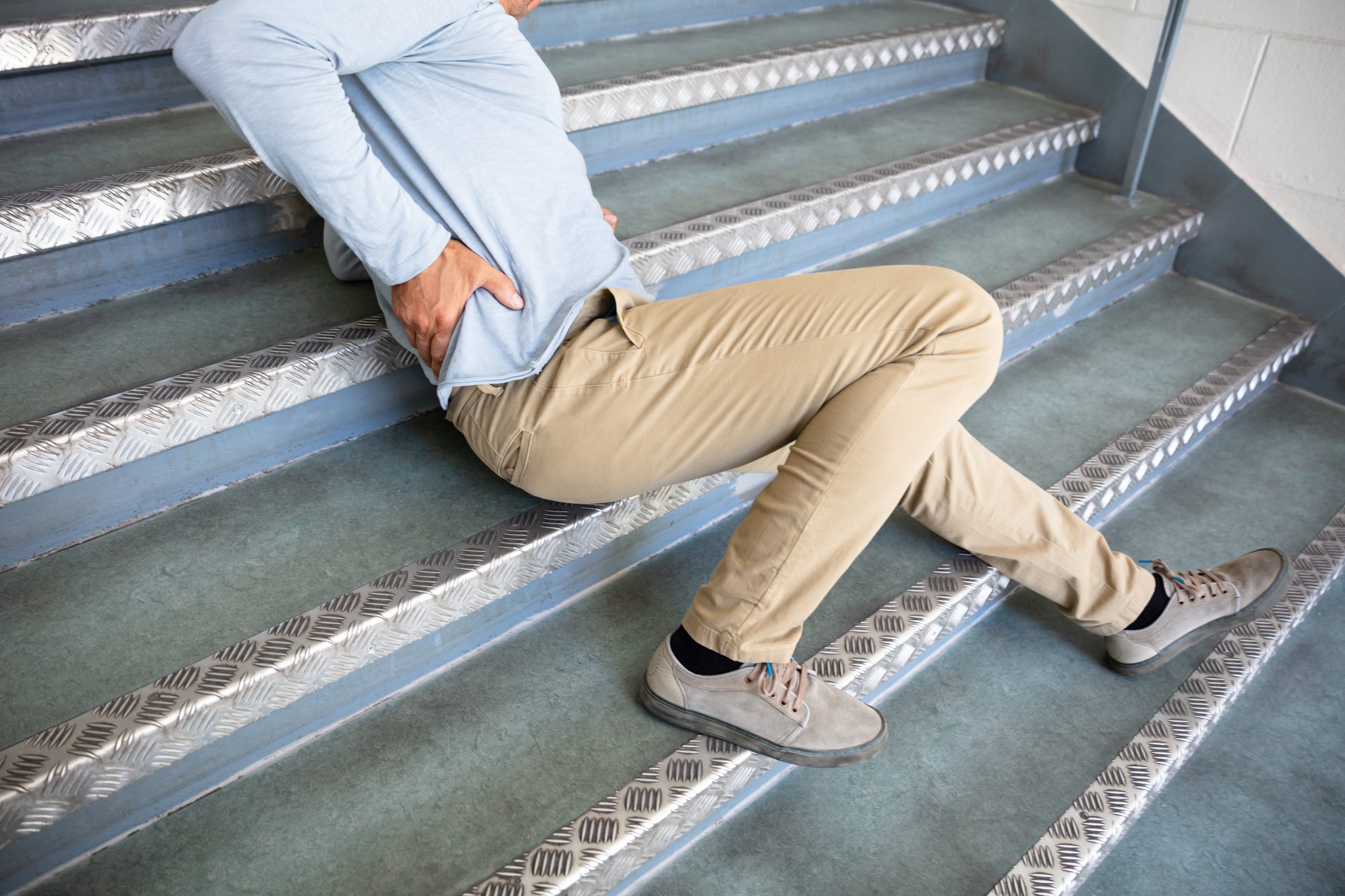 Falls are one of the leading causes of personal injury accidents throughout the United States. While falls can happen anywhere, these accidents are especially common on stairs. Each year, more than 1 million victims injure themselves on stairways. All property owners and managers are legally obligated to keep their properties safe for tenants, visitors, and workers alike. This obligation includes inspecting and maintaining stairways and making timely repairs to potentially dangerous conditions. When a staircase accident occurs because of hazardous or improperly maintained stairs, the responsible property owner, landlord, or management company can be held liable for the victim’s damages.
  The spinal cord is a long, cylindrical pathway that connects your brain to your lower back. It is a delicate structure composed of vertebrae, discs, nerves, and other tissues. A spinal cord injury consists of any damage to a segment of the spinal cord or nerves at the end of the cauda equina. When part of the spine gets damaged, areas of the body below the site might not receive nerve messages and suffer changes in sensation, strength, and other critical body functions. According to the National Spinal Cord Injury Statistical Center (NSCISC), a recent estimate revealed that more than 17,800 victims suffer spinal cord injuries yearly. Approximately 294,000 individuals throughout the country are currently struggling with spinal cord injuries.