 Buffalo Personal Injury Lawyer News
The 5 Most Common Car Accident Injuries


 According to statistics released by the National Highway Traffic Safety Administration (NHTSA), in a recent year alone, approximately 2.74 million victims suffered severe crash-related injuries. Even minor collisions can have grave and lifelong consequences for victims. At the Dietrich Law Firm P.C., our veteran car accident attorneys understand the profound impact that crash-related injuries can have on victims and, ultimately, their loved ones. Being mindful of the most common car accident injuries can help you be prepared to take the proper steps after your crash.
Top 5 Crash-Related Injuries
Injuries resulting from car accidents tend to vary substantially from minor cuts and bruises to traumatic brain injuries and total paralysis. Some types of injuries are more prevalent than others. The majority of injuries caused by collisions are either impact or penetrating injuries. Impact injuries are generally caused when a victim’s body contacts part of the vehicle’s interior, such as your forehead hitting the steering wheel. On the other hand, penetrating injuries are usually caused by loose objects inside the car or shattering glass. In addition to the usual cuts and bruises, the 5 most common car accident injuries include:
 Anything that takes a driver’s attention away from the road is considered a distraction. Updating social media, talking on a cell phone, reading emails, eating or drinking, and even daydreaming are just a few examples of distracted driving. Every distraction has the potential to endanger you, your passengers, and everyone else in your vicinity. According to the National Highway Traffic Safety Administration (NHTSA), roughly 20 percent of distracted driver fatalities involve victims who were not in vehicles, such as pedestrians, rollerbladers, and cyclists.
 More than 4.7 million victims suffer dog bites throughout the United States each year. You may be surprised to learn that most of these bites involve domesticated rather than stray dogs. According to recent statistics, dog breeds like Pit Bulls, German Shepherds, Wolf-Dog Hybrids, and Rottweilers are most likely to bite. However, the breed is not the sole factor in determining whether a dog will bite you. Hyperactive canines that are not adequately socialized and do not get enough exercise have the highest risk of biting.
 Walking is a great way to get around and get some exercise in the process. Pedestrians can help reduce their carbon footprint while enjoying some fresh air. No wonder walking has become increasingly popular in recent times. However, if you prefer walking, being aware of the risks of being involved in a pedestrian accident is crucial. According to the National Highway Traffic Safety Administration (NHTSA), in a recent year alone, there were roughly 6,300 pedestrians killed in traffic-related accidents. When on foot, you are approximately 1.5 times more susceptible to being fatally injured in an accident than car occupants.
  Wet floors are notorious for causing exceptionally slippery conditions. Consequently, these types of accidents can happen just about anywhere. You may have slipped on a spilled drink at your favorite restaurant or fallen in a shopping mall on some melted ice. Water and other liquids frequently cause wet floor-related hazards in public bathrooms, stairs, building entrances, and grocery store aisles.
 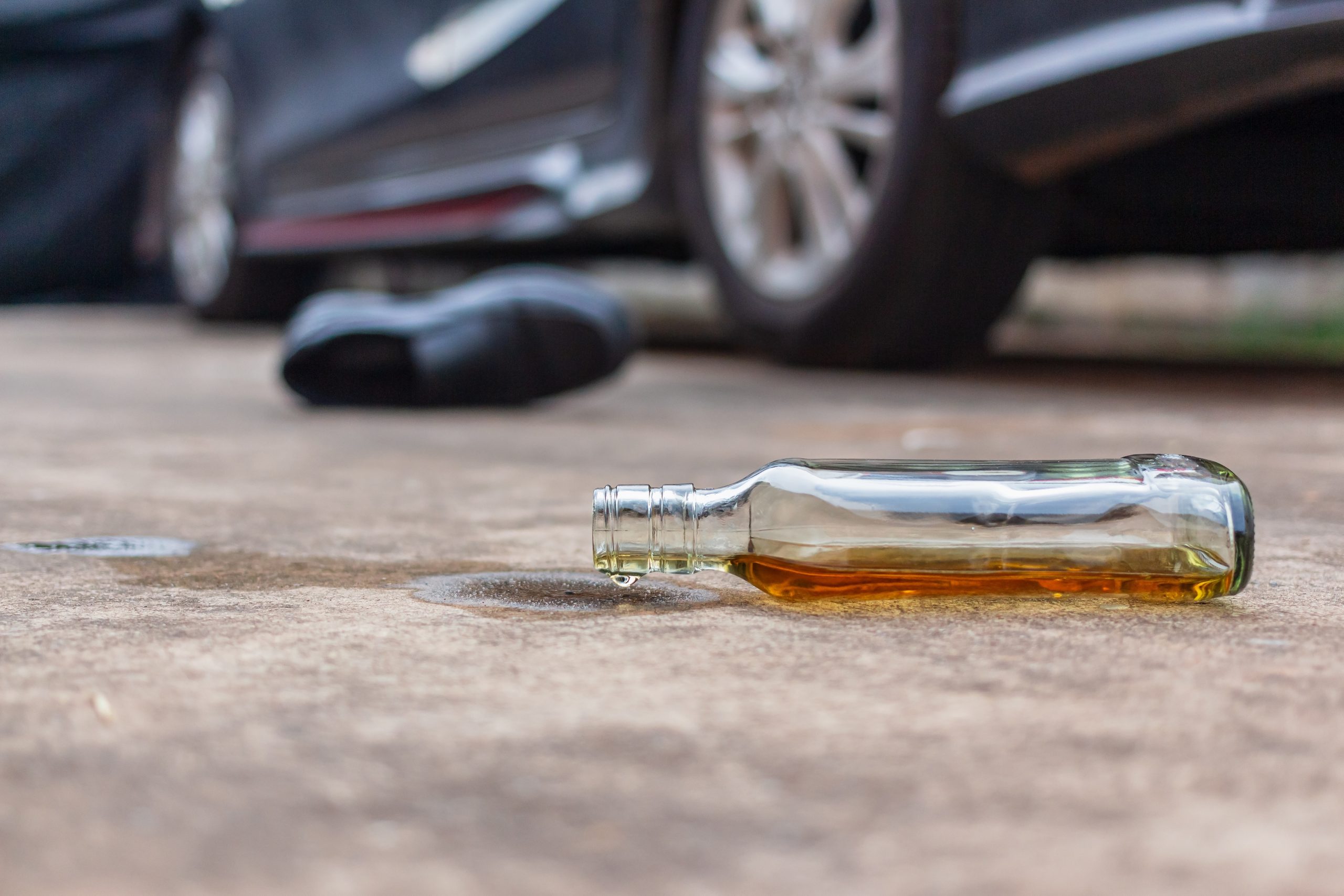 There is no denying that getting behind the wheel after even a few drinks can be fatal. However, accidents caused by drunk drivers continue to happen at an alarming rate all across the United States. Over 30 percent of all crash-related deaths throughout the country involve drunk drivers. In a recent year alone, 13,384 victims tragically lost their lives in these preventable collisions. That’s approximately one victim killed in a drunk-driving accident every 39 minutes. Fortunately, not every crash caused by a drunk driver results in death. Still, the injuries you sustain may be devastating and life-altering.
  Car accidents can result in devastating injuries, demolished vehicles, costlier car insurance premiums, intense emotional pain, and even wrongful death. The trauma of collisions often extends far beyond the incident itself. The financial consequences resulting from severe injuries and the accompanying medical bills, lost income, and damage to your car can create excessive hardship for you and your family.
 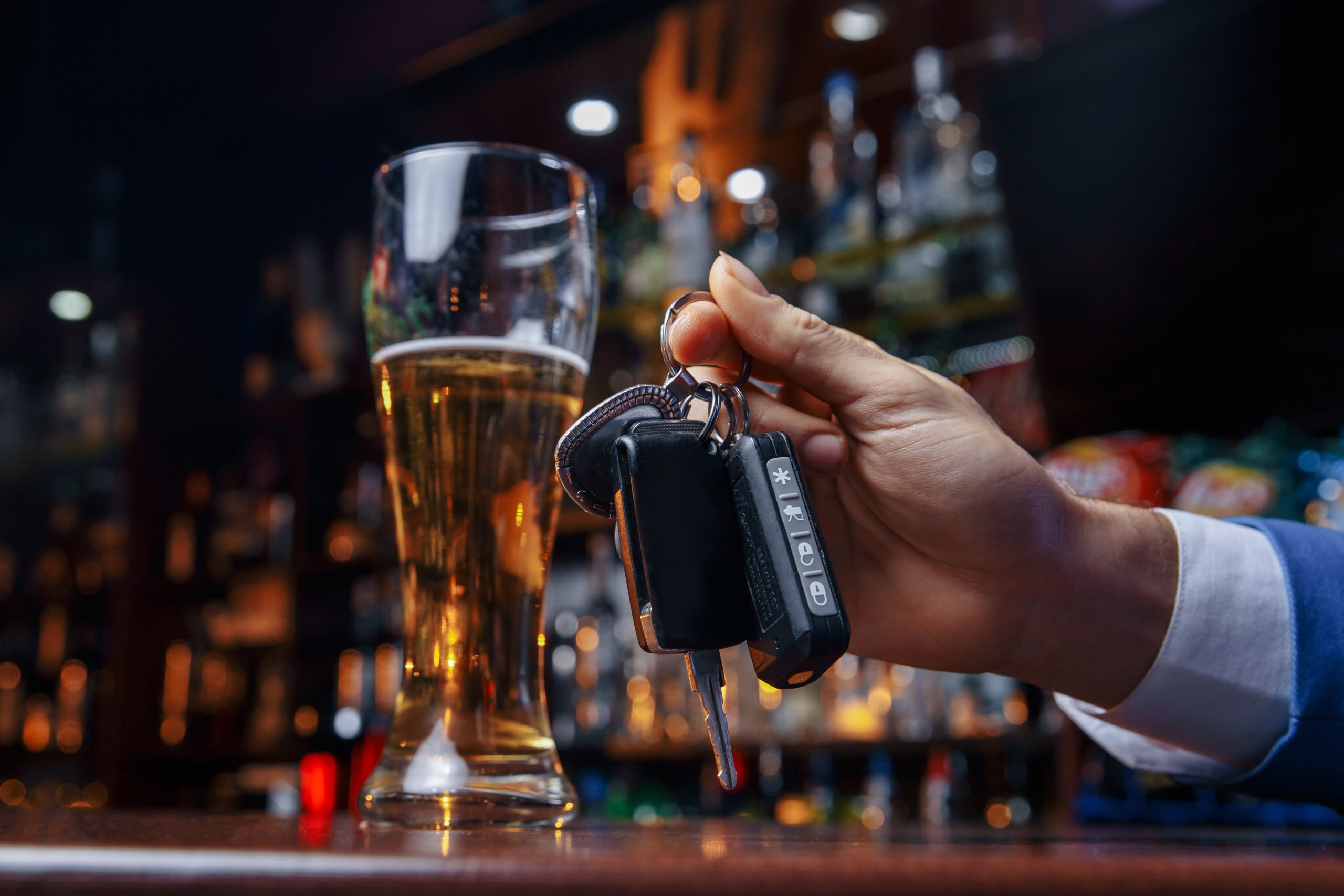 In New York State, driving while intoxicated is a serious crime, and DWI laws are strictly enforced. Alcohol can start impacting your motor skills and impair driving skills with a blood alcohol content as low as 0.01. Consequently, even if your BAC is below the legal limit, driving with even a small amount of alcohol in your system can still be extremely dangerous.
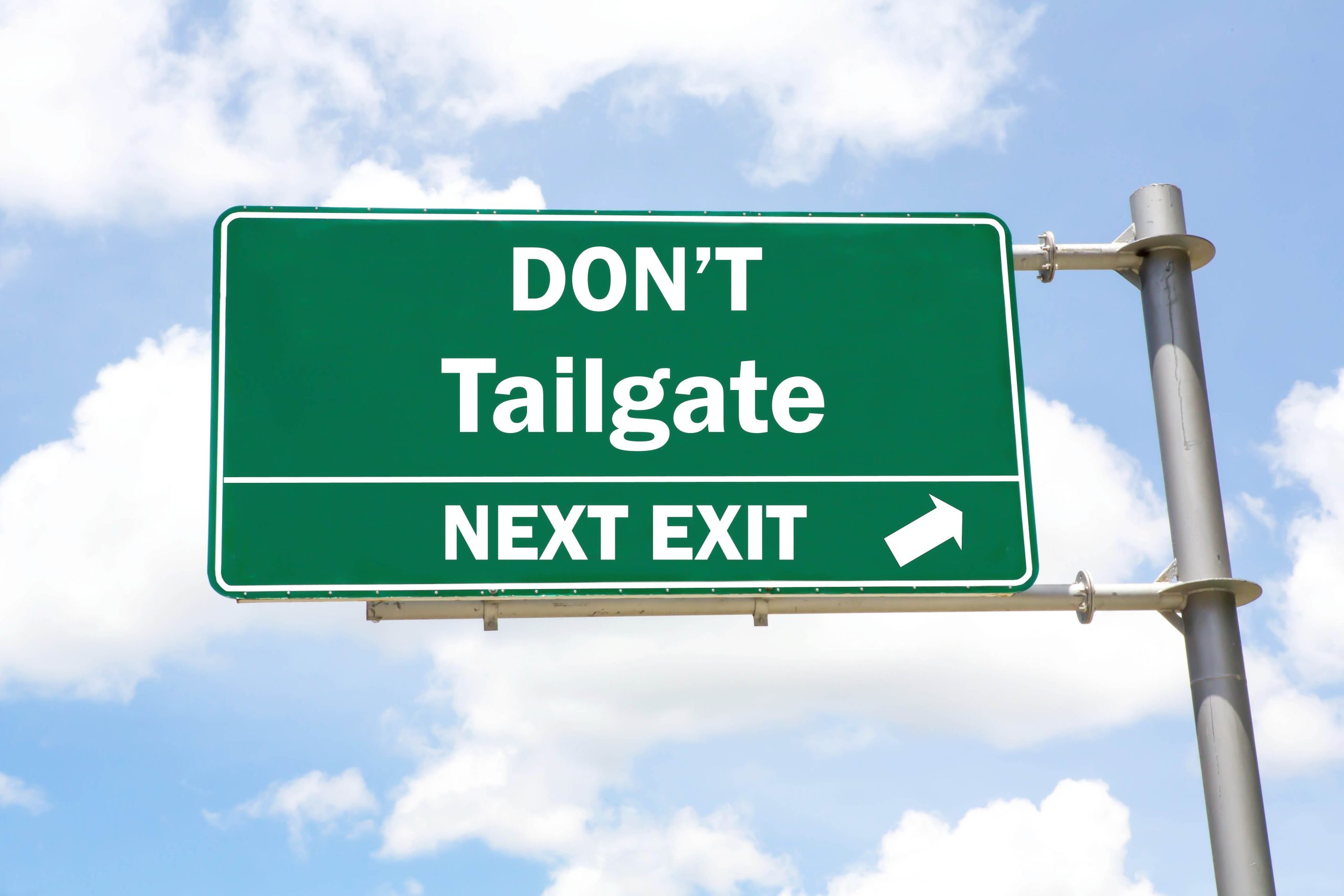 If you or a loved one were involved in a car accident, there is a one-in-three chance it was a rear-end collision. According to the National Highway Traffic Safety Administration (NHTSA), rear-enders account for over 32 percent of all car accidents. While many of these accidents occur at low speeds, rear-end collisions still cause severe injuries and deaths.
 Driving is one of the riskiest things you do every day. Many careless actions, such as speeding, giving in to distractions, and fatigued driving, can all significantly increase your risk of crashing. Driving under the influence of drugs or alcohol is especially dangerous. Fortunately, there are simple steps that you can take to keep yourself and others safe.