 Buffalo Personal Injury Lawyer News
Falling Luggage Injuries on Planes: Who is Liable When Overhead Bags Cause Harm?


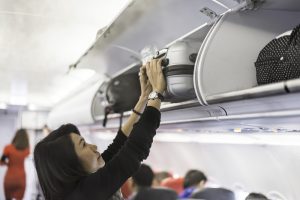
Airlines often advertise that flying is the safest mode of transportation.
While it is true that you are much more likely to be injured on your way to the airport than you are in the sky, the risks of air travel do not start and end with your chances of being involved in a fatal aviation accident. One of the greatest dangers inherent to modern aircraft is, in fact, surprisingly mundane: your luggage, and that of your fellow passengers.
During takeoff and landing, luggage can shift out of its original position. In the sky, turbulence can generate immense amounts of force, potentially casting bags out of their bins. And sometimes people make mistakes, whether it is a flight attendant who forgets to latch a compartment or another passenger who decides to cram too many bags into the overhead bin.
No matter the cause, a heavy bag that falls from high can hurt.
If you have been injured by a falling bag aboard an aircraft, you may well feel like you have no options beyond whatever compensation the airline offers, if it even offers any to begin with.
You might be surprised to learn that airlines can, and often are, found liable for these kinds of accidents. Here is what you need to know about:
The Most Common Causes Of Falling Luggage Aviation Accidents
Every year, countless travelers are hurt aboard aircraft.
Many of these accidents have little to do with luggage: slips, trips, and falls happen on airplanes as often as they do in apartments and big-box stores. However, when baggage comes crashing down, there is often a clear-cut explanation. Some of the most common include:
- Turbulence is caused by irregular air patterns, like thunderstorms, strong currents, or even the wake from another aircraft. While turbulence poses very little threat to the structural integrity of modern aircraft, it can displace baggage. This can lead to a nasty surprise and, potentially, a very serious injury when passengers get up to collect their bags during or after a flight. In more severe cases, turbulence can cause people and objects inside the plane to go airborne, sometimes at high speeds and with extreme force.
- Flight attendant error. Flight attendants have many duties. Before takeoff and landing, for instance, they are typically tasked with inspecting overhead compartments. This involves ensuring that bins are not overloaded and are properly latched. Any mistake or oversight could lead to an accident.
- Inadequate maintenance. Airlines have an obligation to fix dangerous conditions aboard their planes. If a passenger or employee reports a defective compartment or broken bin latch, the airline may be duty-bound to repair it. Should the airline fail to do so, it could be liable for the cost of a resulting accident.
2 Ways to Obtain Compensation After an Airline Accident
If you have been injured in a falling luggage aviation accident that was not your fault, you could be entitled to significant compensation through:
- A personal injury lawsuit. You may have standing to sue if the airline or an airline agent’s negligence was the direct cause of your accident. Read more about the personal injury lawsuit process and the requirements for proving negligence
- The Montreal Convention. The Montreal Convention is an international treaty that holds airlines strictly liable for passenger injuries caused by external circumstances. Courts have previously held that falling baggage accidents are covered by the Montreal Convention. This option could help avoid litigation, but recovery under the Montreal Convention is capped.
If you think you could have a case, Call Jed Dietrich, Esq., today at 1-866-529-5334 to schedule your free consultation.