 Buffalo Personal Injury Lawyer News
Zantac’s Cancer Risks Were Concealed For Over 4 Decades


 In 1978, Glaxo Laboratories developed a molecule called ranitidine, which could treat heartburn. Soon after the U.S. Food and Drug Administration (FDA) approved the drug under the brand name Zantac, ranitidine rapidly became the world’s top-selling prescription medication. From the beginning to the end, Glaxo was warned by independent investigators and scientists about Zantac’s potential cancer risks. Glaxo failed to share critical evaluations of the drug with the FDA and endorsed erroneous research intended to minimize safety concerns. The company launched an aggressive marketing campaign to promote Zantac as more effective, more convenient, and safer than the alternative drug Tagamet. With Americans already spending roughly a billion dollars annually for heartburn relief, Glaxo introduced a 75mg over-the-counter Zantac pill.
While considerable evidence and suspicions indicated Zantac’s cancer-causing properties, documents show Glaxo ignored the warnings. Connected to cancer as early as 1956, NDMA belongs to a group of chemicals called nitrosamines, which have caused cancer in every species of animal tested. A prominent pharmaceutical analyst suggested that under certain conditions in the stomach, a chemical reaction could turn ranitidine into NDMA. However, Glaxo’s board never requested any studies to determine if ranitidine could form into nitrosamine. Even after several independent studies revealed ranitidine resulted in toxic and mutagenic effects, Glaxo still tried to convince everyone of the safety of their drug. In 1982, despite the company’s scientist Richard Tanner finding up to 232,000 nanograms of NDMA in Zantac, court documents show that Glaxo kept this study a secret.
In 2019, Valisure, a private lab, sent the FDA a document regarding Zantac’s extremely high levels of NDMA. After finding NDMA in every version of ranitidine it analyzed, the lab determined the problem inherently existed with the molecule itself. Although consuming minuscule amounts of the carcinogen is not believed to be harmful, lab tests uncovered excessive amounts of NDMA in ranitidine. It takes less than a milligram of NDMA to mutate mice cells, and 2 grams is enough to kill a person. Consequently, the FDA forced all versions of the drug off the market in 2020. However, the FDA maintained that there were no consistent signals that the drug increased cancer risks. Critics believe the FDA’s stance was an attempt to absolve the agency of wrongdoing.
 The word bellwether can be traced back to the 13th century when shepherds hung bells around the necks of some of their sheep to designate them as leaders. Similarly, bellwether trials are designed to track and monitor the potential results of a large group of lawsuits. They are test lawsuits that use individual claims originating from a group of widely contested lawsuits filed against the same party. When hundreds or even thousands of lawsuits are filed against one party, these trials allow a few select cases to go to court to predict how the remaining pending claims will turn out at trial.
 Although most personal injury lawsuits depend on proving negligence, there are certain cases where plaintiffs do not need to show that the defendant was negligent. Strict liability, also called absolute liability, is a legal doctrine that holds a person or entity responsible for a victim’s injuries, even if that party was not negligent or at fault. In cases involving strict liability, defendants can still be held accountable even if they exercised reasonable care.
  Although the last thing anyone wants is to be the victim of an accident, mishaps are part of life. To better safeguard you and your loved ones, it is imperative to be aware of the most prevalent types of accidents. Below, the Dietrich Law Firm P.C.’s team of personal injury lawyers has listed the most frequently occurring accidents along with crucial tips to avoid them:
  Suppose that you, or a family member, have been injured in an accident caused by another person’s negligence or recklessness. You may be able to file a personal injury lawsuit. Pursuing a case against the responsible party could be your only means to recover compensation. However, you only have a limited time to file your claim. The deadline is known as the statute of limitations (SOL). The statute of limitations, like a countdown, can significantly impact when or even if you can pursue your case. Regardless of the strength of your claim, when the statute of limitations runs out, your case will be considered time-barred. Meaning the defendant can assert that the statute of limitations has run out and ask the court to dismiss the lawsuit on that basis alone.
 Liability in personal injury cases is often unclear and ambiguous. This is because a defendant may not be entirely responsible for the accident. It is not uncommon for plaintiffs to be partially at-fault too. Fortunately, victims may still be eligible to recover compensation for their damages even if they were partly to blame. When applying the legal doctrine of comparative negligence, also known as comparative fault, a plaintiff that contributed to their accident would still be awarded compensation for their damages. However, the total amount would be reduced based on their share of fault. Whether you have been hurt in a car crash, construction accident, slip and fall, or any other mishap, comparative negligence can significantly impact the compensation you obtain.
  To prove fault in most personal injury lawsuits, a plaintiff must show that the defendant was negligent. Victims have the burden of demonstrating four legal elements to prove negligence. The first element of negligence is the at-fault party’s duty of care. Typically, this is one of the easiest elements to prove because everyone has a basic obligation to avoid unnecessarily injuring others. The duty to act appropriately is relevant in almost every situation and is often assumed by being in another’s vicinity. In other words, you must implement the same degree of caution and consideration that a reasonable person would exercise given the same situation. Someone does not need to assume the duty of care to another party voluntarily. It can be imposed just by being in a specific place at a specific time.
  Victims often turn to personal injury claims to recoup their losses after being injured in accidents. If the verdict is in the plaintiff’s favor, they can obtain a monetary award for their losses. One type of damage awarded to victims is called compensatory damages. Compensatory damages are designed to pay victims money to cover the costs related to their injuries and other losses. In other words, this type of damage is awarded to compensate plaintiffs for the actual losses they have suffered. For instance, if a careless motorist smashed into your car and totaled it, the compensatory damages would equal the fair market value of your vehicle when it was demolished, minus the salvage value or any usable parts. The two types of compensatory damages that courts can award to plaintiffs are special damages and general damages.
 Victims suffer injuries in tens of millions of severe accidents every year, such as slips and falls, collisions, and dog bites. Most of these injuries are caused by someone else’s negligence or even recklessness. The consequences of being involved in an accident can range from serious personal injuries and post-traumatic stress disorder to the destruction of property and costly hospital bills. Over 40 million accident victims require medical care due to various personal injuries each year. If you or a loved one have been injured due to someone else’s negligence, you may be wondering what type of lawyer to call.
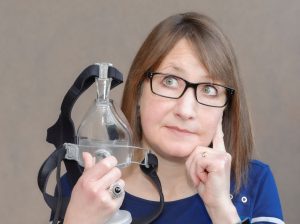 Approximately 18 million adults throughout the country suffer from obstructive sleep apnea. Which, when left untreated, can lead to acute health complications, such as diabetes, high blood pressure, cardiomyopathy, heart failure, and stroke. Many sleep apnea sufferers rely on airway pressure machines to prevent upper airway tissues from collapsing and increase their oxygen levels. However, in June 2021, Philips Respironics, a chief manufacturer of sleep apnea treatment devices, issued a voluntary recall of as many as 4 million devices due to hazardous components. The company’s recalled breathing machines contain a polyester-based polyurethane (PE-PUR) foam known for degrading into tiny black particles and placing users in unnecessary danger of inhaling toxic gases or ingesting carcinogens. Consequently, users scrambled to secure alternative sleep apnea machines, which abruptly went into short supply. Since then, numerous lawsuits have been filed alleging that Phillips was aware of the above hazards for years but postponed recalling the devices until they could manufacture safer ones.