 Buffalo Personal Injury Lawyer News
Breast Mesh Lawsuits: What Victims Need to Know About Complications and Compensation


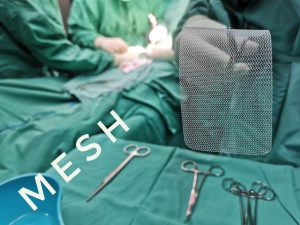
A breast mesh can help provide internal support after cosmetic, reconstructive, or augmentative breast surgery. Since most of these products work by incorporating surgical mesh with your body’s natural tissue, breast meshes are often marketed as a safe way to obtain long-lasting results without compromising appearance. However, regulators have warned that manufacturers’ claims of safety could be misleading. In a recent advisory, the federal Food and Drug Administration emphasized that the “safety and effectiveness of surgical mesh in breast surgery” has not yet been determined.
“There are no surgical mesh products cleared or approved by the FDA for use in breast surgery, including augmentation or reconstruction,” the Food and Drug Administration wrote.
Breast meshes are not inherently unsafe; many women report no complications whatsoever, but a growing body of evidence suggests that meshes could actually present a serious danger to women’s health. According to some studies, up to one-third of all women who receive meshes experience symptoms, including intense pain, localized swelling, and, in some cases, visible deformities. Of these women, about 10% are forced to undergo corrective surgery as a result.
If you have been injured by a breast mesh, you could be entitled to compensation. Here is what you need to know about:
Common Breast Mesh Products
About 80% of all women who undergo breast surgery will receive a mesh.
Meshes come in two types:
- Biologic meshes, which are comprised of natural cells harvested from an animal donor or human cadaver; and
- Synthetic meshes, are made from plastics and other polymers.
Biologic meshes are usually designed to be absorbed by the body. If the procedure is successful, the mesh will be replaced by natural cells within two years. Synthetic meshes, in contrast, can either be absorbed or remain in the body indefinitely.
Some of the most commonly used biologic and synthetic breast meshes include, but are not limited to, the following:
- AlloDerm, a biologic breast mesh manufactured by Allergan-LifeCell;
- Strattice, a biologic breast mesh manufactured by Allergan-LifeCell;
- AlloMax, a biologic breast mesh manufactured by C.R. Bard-Becton Dickinson;
- Phasix, a synthetic breast mesh manufactured by C.R. Bard-Becton Dickinson;
- DuroSorb, a synthetic breast mesh manufactured by Galatea Surgical-Becton Dickinson;
- GalaFLEX, a synthetic breast mesh manufactured by MTF Biologics; and
- FlexHD, a biologic breast mesh manufactured by MTF Biologics.
All of these products, along with others, are frequently used by surgeons, clinics, and hospitals throughout the state. Problematically, all of these products have also been implicated in cases of serious injury.
Breast Mesh Injuries And Complications
A recent study on the safety of breast meshes found that 34% of all women who receive breast meshes will experience noticeable complications. These could include:
- Intense pain;
- Swelling or inflammation;
- Accumulations of fluid in the breast tissue;
- The death of natural tissue; and
- Visible deformities.
Breast meshes are also associated with an increased risk of bacterial infection. Infections are most likely to occur if the mesh was improperly stored, but they can happen for other reasons, too. Oftentimes, infection-related complications trigger symptoms even more serious than those caused by the initial injury, requiring intensive care and necessitating further unplanned expenses.
Filing A Breast Mesh Injury Lawsuit
If you have been injured by a breast mesh product, you could be entitled to file a personal injury lawsuit against the manufacturer or a health care provider. Contact the Dietrich Law Firm P.C. today at 716-839-3939 to speak to a breast mesh injury lawyer in Buffalo and schedule your 100% free, no-obligation consultation as soon as possible.