 Buffalo Personal Injury Lawyer News
Scope Infection Lawsuits Are Rising After Patients Develop Serious Infections


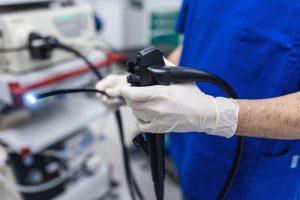
Doctors use endoscopes to look deep inside the body.
Medical scopes can help diagnose and treat conditions that, in the not-so-distant past, would have required a surgical intervention. However, because they are expensive to buy and maintain, physicians typically reuse scopes until they are no longer safe to operate. This practice is not dangerous, but it requires that each device be thoroughly sanitized between procedures.
However, regulators now believe that many endoscopes contain hidden defects.
Olympus, the world’s largest manufacturer of medical scopes, has been repeatedly accused of covering up design defects. In 2018, a federal court fined the company more than $85 million for failing to tell the Food and Drug Administration about a wave of bacterial infections reported across several European countries. These infections were ultimately traced back to Olympus’s endoscopes, which contain so many complex components that they are borderline impossible to successfully sterilize.
Less than a half-decade later, in 2022, the FDA sent Olympus another warning letter. This time, investigators said, one of the company’s subsidiaries failed to test endoscopes it had already designed and sold adequately. And then, in 2025, the agency was forced to order the recall of dozens of Olympus devices. In its recall notice, the FDA said that every affected endoscope model was built in a way that risked trapping bacteria between patients and procedures.
Here is what you need to know about:
Olympus Endoscopes And Your Health
Olympus’s scopes are complicated devices.
An ordinary endoscope might look like a long tube with a camera on one end, but they contain an entire array of complex components. These typically include elevator mechanisms, microscopic channels, and sealed electrical assemblies. The space between some of these parts is just large enough to let bacteria in, but too small for disinfectant to penetrate.
In other words, even when doctors do everything right, there is no guarantee that sterilization will work. And if it does not, bacteria from one patient can linger on the scope until the next procedure, posing a potentially grave risk of infection.
Contaminated scopes have been linked to conditions including, but not limited to, the following:
- Severe bacterial infections;
- Sepsis;
- Pneumonia;
- Bloodstream infections;
- Internal organ damage;
- Internal tissue damage; and
- Antibiotic-resistant illnesses.
Your Rights After A Contaminated Endoscope Injury
If you were diagnosed with a serious illness caused by exposure to a contaminated endoscope, duodenoscope, or similar device, you could be entitled to file a lawsuit against Olympus or another medical scope manufacturer.
To bring a successful product liability lawsuit under New York law, you must be prepared to establish:
- The medical scope was in some way defective;
- The defect was a substantial factor in causing the infection; and
- You suffered damages as a direct result of the defect.
Compensation In A Defective Medical Scope Injury Lawsuit
Depending on the circumstances of your case and the severity of your illness, you could stand to recover damages for:
- Your outstanding hospital bills;
- The costs of future or anticipated care;
- Physical rehabilitation;
- Mental health counseling;
- Lost income from work;
- Emotional pain and suffering;
- Physical pain and suffering;
- Disfigurement caused by corrective surgery;
- Loss of enjoyment; and
- Wrongful death of a loved one.
Since our founding in 2005, the Dietrich Law Firm P.C. has helped our clients in and around New York City obtain more than $300 million in damages. We could help you, too, but you have to act fast. If you wait too long to contact an Olympus scope injury lawyer, key evidence could be lost, or the statute of limitations may expire, potentially limiting your right to recovery.