 Buffalo Personal Injury Lawyer News
Silicosis and Personal Injury Lawsuit


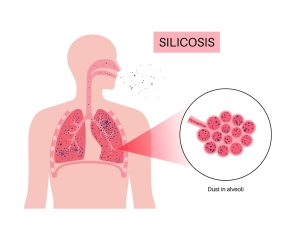
Stone kitchen countertops are fashionable, but their widespread popularity could conceal a serious risk for contractors and construction workers.
In Massachusetts, health officials recently confirmed the state’s first recorded case of silicosis in a stone countertop worker. Investigators believe that the 40-year-old man, who spent more than a decade in the industry, developed silicosis after working with quartz-based countertops.
“The confirmation of this case in Massachusetts is a tragic reminder that silicosis is not just a distant threat,” the state Department of Health said. “It is here, and it is seriously impacting the health of workers in Massachusetts.”
The danger presented by silica-contaminated stone is not isolated to Massachusetts.
Workers across the country, including in New York, face the same risks. If you or a loved one has been diagnosed with silicosis or another respiratory illness after working with stone kitchen countertops, you could have standing to file a personal injury lawsuit.
The Risks of Silica Exposure
Stone countertops are usually made from materials that contain crystalline silica.
During stone processing and countertop installation, small amounts of silica fiber can aerosolize, dispersing into the air before settling onto nearby surfaces. These silica fibers are microscopic in size and cannot always be detected with the naked eye. People who work with silica-based materials face an increased risk of inhaling fibers.
Once fiber is inside the body, it can make its way into the respiratory system.
Since silica is a resilient mineral, it is typically much too strong for your body to break down. Instead of dissolving, silica can become embedded in the tissue surrounding your lungs, triggering widespread inflammation. This inflammation can lead to silicosis; in a worst-case scenario, it could cause cancer.
The Difficulty of Diagnosing Silicosis
Silicosis is a serious illness, but it can be incredibly difficult to diagnose.
Unlike the common cold or the coronavirus, silicosis symptoms do not show up in a matter of hours, days, or weeks. Instead, silicosis can take years to develop. Some studies have found that the average onset time for silicosis symptoms is about 10 years from the date of initial exposure.
If and when symptoms do appear, they are often ambiguous. These symptoms could include:
- A cough that would not go away;
- Feelings of fatigue, tiredness; and
- Unexpected weight loss.
Silicosis symptoms are not always severe enough to impact your day-to-day life, but they can conceal more worrying changes inside the body.
Your Damages in a Personal Injury Lawsuit
Silicosis cannot be cured, but its symptoms are usually manageable.
You may not have to pay for treatment. If you or a loved one has been diagnosed with silicosis after working with quartz kitchen countertops, you could be entitled to significant compensation.
Every case is unique, and your damages will depend on the nature and severity of your injuries.
Your damages could include compensation for any or all of the following:
- Your medical bills;
- The costs of anticipated care;
- The costs of long-term care;
- Physical rehabilitation;
- Lost income from work;
- Diminished earning potential;
- Physical pain and suffering;
- Emotional pain and suffering;
- Loss of enjoyment; and
- Wrongful death.
New York does not cap damages in most silicosis lawsuits, but your claim must still be filed within the statute of limitations. If you wait too long, the statute of limitations could lapse, forcing the court to dismiss your case on a technicality. Do not delay: call Jed Dietrich, Esq., at 716-839-3939 today to speak to schedule your 100% free consultation.