Buffalo Personal Injury Lawyer News
Buffalo Car Accidents Caused By Driving While Fatigued


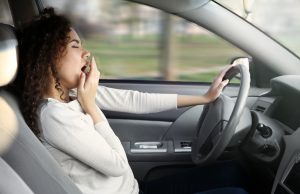 According to the National Sleep Foundation, roughly 50 percent of all adult motorists admit to regularly driving while feeling tired. Approximately 20 percent confess to dozing off behind the wheel during the last 12 months, and over 40 percent admit to falling asleep at some point in their driving careers. These shocking figures reveal just how prevalent driving while tired is. However, many drivers fail to realize the extreme dangers involved with falling asleep behind the wheel. The National Highway Traffic Safety Administration (NHTSA) reported that, in 2017 alone, drowsy driving resulted in more than 91,000 accidents, which caused around 50,000 injuries and 800 fatalities.
What Makes Drowsy Driving So Dangerous?
Fatigued driving drastically intensifies the risk of crashing. When drivers doze off for even just a few seconds, they can easily smash into another vehicle or run off the road. The severity of these collisions increases even more at high speeds. Getting behind the wheel while sleep-deprived is dangerous even if the driver does not fall asleep. Studies demonstrate that lack of sleep causes mental impairment that is similar to being drunk. This impairment can make motorists inattentive, easily distracted, and worsen decision-making abilities. Additionally, it delays reaction times, making it more challenging to avoid unexpected driving hazards.
 According to the National Highway Traffic Safety Administration (NHTSA), more than 2,840 victims suffered fatalities in distracted driving accidents during 2018 alone. Roughly 9 victims are killed each day in the 1,000 plus car crashes involving distracted drivers. It is no surprise that the Governor’s Traffic Safety Committee reported distracted driving as the leading contributing factor in New York State collisions.
 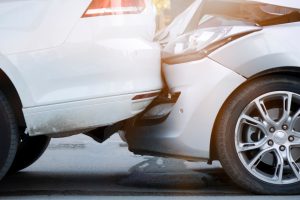 Car crashes can range in severity from minor cuts and bruises to total paralysis and even death. According to the National Highway Traffic Safety Administration (NHTSA), in 2019, over 36,000 victims died in car accidents. The actual injuries suffered depend considerably on the nature of the accident, the speed of the cars, the type of vehicles involved, and whether or not the occupants were wearing their seatbelts. Unfortunately, many victims suffer long-term effects from car accidents that outlive their initial visits to the emergency room.