 Buffalo Personal Injury Lawyer News
What Is A Bellwether Trial?


 The word bellwether can be traced back to the 13th century when shepherds hung bells around the necks of some of their sheep to designate them as leaders. Similarly, bellwether trials are designed to track and monitor the potential results of a large group of lawsuits. They are test lawsuits that use individual claims originating from a group of widely contested lawsuits filed against the same party. When hundreds or even thousands of lawsuits are filed against one party, these trials allow a few select cases to go to court to predict how the remaining pending claims will turn out at trial.
What Is Multidistrict Litigation?
In recent years, the number of medical injuries and pharmaceutical claims that have developed into multidistrict litigations has significantly increased. Multidistrict litigation, also known as MDL, is a special judicial proceeding designed to help federal courts better manage a large group of related lawsuits filed in various jurisdictions by different plaintiffs with similar legal issues and the same defendant. These proceedings are contingent on getting a majority approval from 7 district court judges, known as the Judicial Panel on Multidistrict Litigation. Upon approval, the cases are temporarily transferred and consolidated at one or more district courts for pretrial coordination.
 With an average of nearly 94 inches of snowfall per year, many Buffalonians consider driving through the snow to be a rite of passage. Unfortunately, driving anywhere in the winter can be extremely dangerous, especially during freezing conditions. When the temperature drops, ice often rapidly develops on our roads, highways, and parking lots. Since ice can make it difficult for a vehicle’s tires to maintain traction and significantly reduce friction, the rate and severity of car accidents drastically increase during winter. According to the National Highway Traffic Safety Administration (NHTSA), in a recent year alone, victims of wintry condition crashes suffered 374 fatalities and roughly 25,000 injuries.
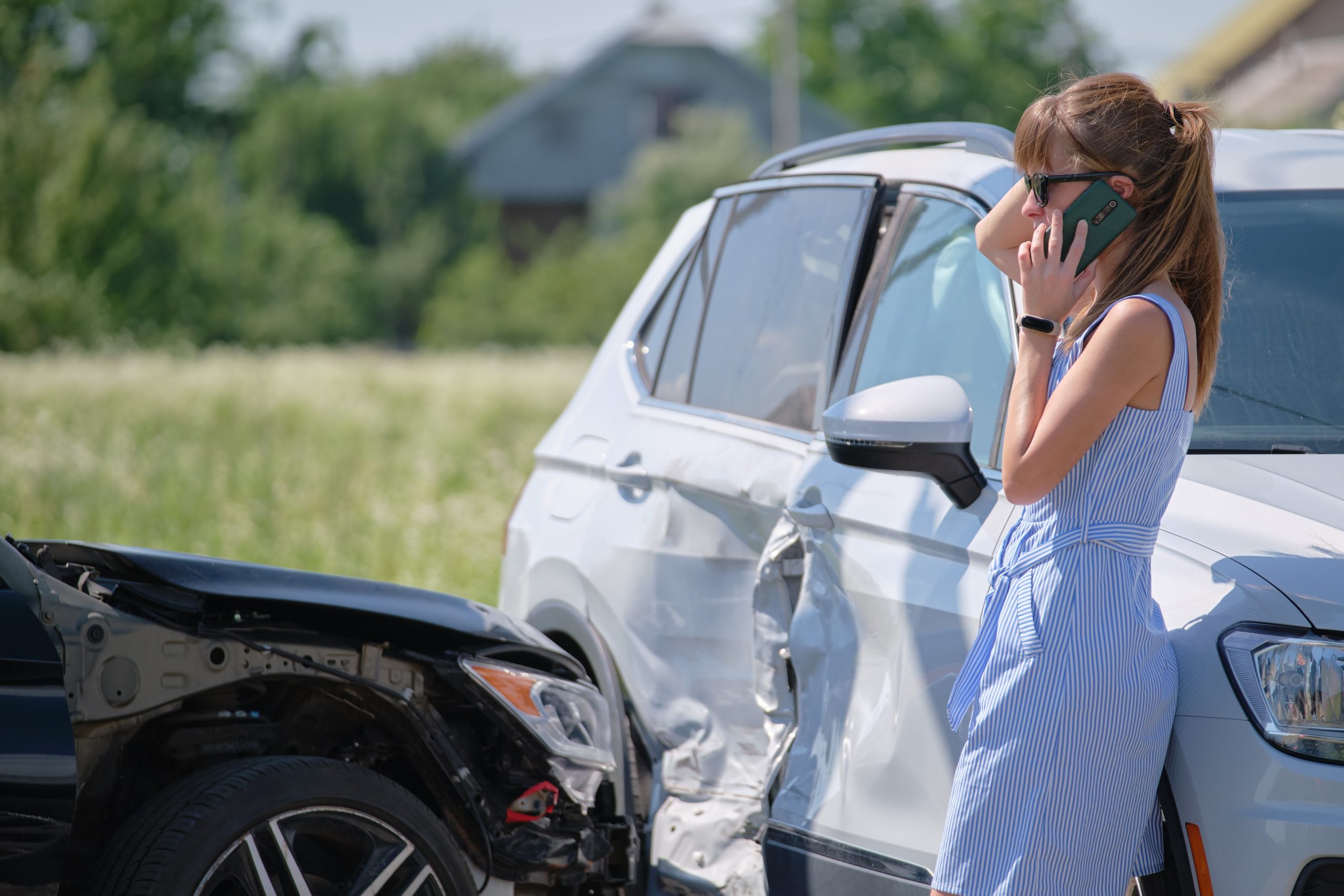 Suppose you were involved in a car crash and need to make an insurance claim or file a lawsuit. In that case, the Dietrich Law Firm P.C.’s top rated attorneys recommend obtaining a copy of the corresponding police report, also referred to as a police accident report. You can do this by going to the responding officer’s precinct and asking for it in person. The police department should be located in the jurisdiction where the accident occurred. However, you may be able to save yourself a trip by calling in advance to confirm. A copy of the police report will usually be provided for free. While it may be available immediately, sometimes it can take up to 30 days.
  Suppose that you, or a family member, have been injured in an accident caused by another person’s negligence or recklessness. You may be able to file a personal injury lawsuit. Pursuing a case against the responsible party could be your only means to recover compensation. However, you only have a limited time to file your claim. The deadline is known as the statute of limitations (SOL). The statute of limitations, like a countdown, can significantly impact when or even if you can pursue your case. Regardless of the strength of your claim, when the statute of limitations runs out, your case will be considered time-barred. Meaning the defendant can assert that the statute of limitations has run out and ask the court to dismiss the lawsuit on that basis alone.
 Driving is the most dangerous activity the average American performs multiple times daily. When most people get behind the wheel, the thought of getting into a car accident never even crosses their minds. Drivers are more focused on reaching their destinations quickly. However, motorists are exposed to varying risks during their commutes depending on the time of day, day of the week, and time of the year. While the last thing any driver wants is to be seriously injured in a crash, car accidents are a part of driving.
 Cement trucks transport wet cement to construct foundations, buildings, and driveways. When transporting cement, these massive trucks can weigh over 60,000 pounds. Since the weight of a concrete truck is disproportionately located in the mixing drum, these vehicles tend to be highly top-heavy. As a result, cement trucks have a rollover rate ten times higher than cars. When concrete truck drivers cause accidents, occupants of other vehicles risk suffering devastating injuries or worse. Every time a trucker slams on the brakes or makes a sharp turn, they place others in significant danger. Although collisions are bound to happen, many cement truck crashes occur because trucking companies, inattentive construction companies, or negligent truckers lack oversight.
 A foodborne illness, also known as food poisoning, is any sickness caused by eating contaminated food. Over 200 diseases, from diarrhea to pancreatic cancer, are spread through tainted food. Everyone involved in the food cycle, including producers, processors, wholesalers, distributors, grocery stores, and restaurants, must take every necessary precaution to keep food safe.
  Suppose you or a loved one have suffered devastating injuries in an accident caused by someone else’s negligence. In that case, you must understand all of the legal options available to recover damages. Although accident victims have the right to take their injury claims to court under New York law, most lawsuits get settled without going to trial. Contrary to what most people think, only about 3 percent of all cases go to court.
  Western New Yorkers finally get a chance to enjoy some nice weather during the summer months. Many locales flock to swimming pools to cool off as the weather heats up. Pools provide an excellent way for parents to keep their kids entertained while swimming or relaxing in the sun. Unfortunately, a lovely pool day can become a tragic nightmare when pool owners fail to provide basic safety precautions or children are left unsupervised. According to the Centers for Disease Control and Prevention (CDC), around ten victims lose their lives daily in unintentional drownings. When a loved one suffers injury or drowns in a pool, the property owner can be held responsible for the damages.
 We have all heard stories about collisions involving motorists driving towards oncoming traffic in the wrong lane. Wrong-way car accidents occur when a car driving in an inappropriate direction strikes another vehicle. Typically, wrong-way car accidents result in head-on collisions. These car crashes occur more often than most people would think and usually bring about devastating injuries and deaths. In a recent 8-year period, nearly 3,900 fatal injuries were caused by wrong-way crashes.