 Buffalo Personal Injury Lawyer News
How Do I Gather Evidence For My Personal Injury Case?


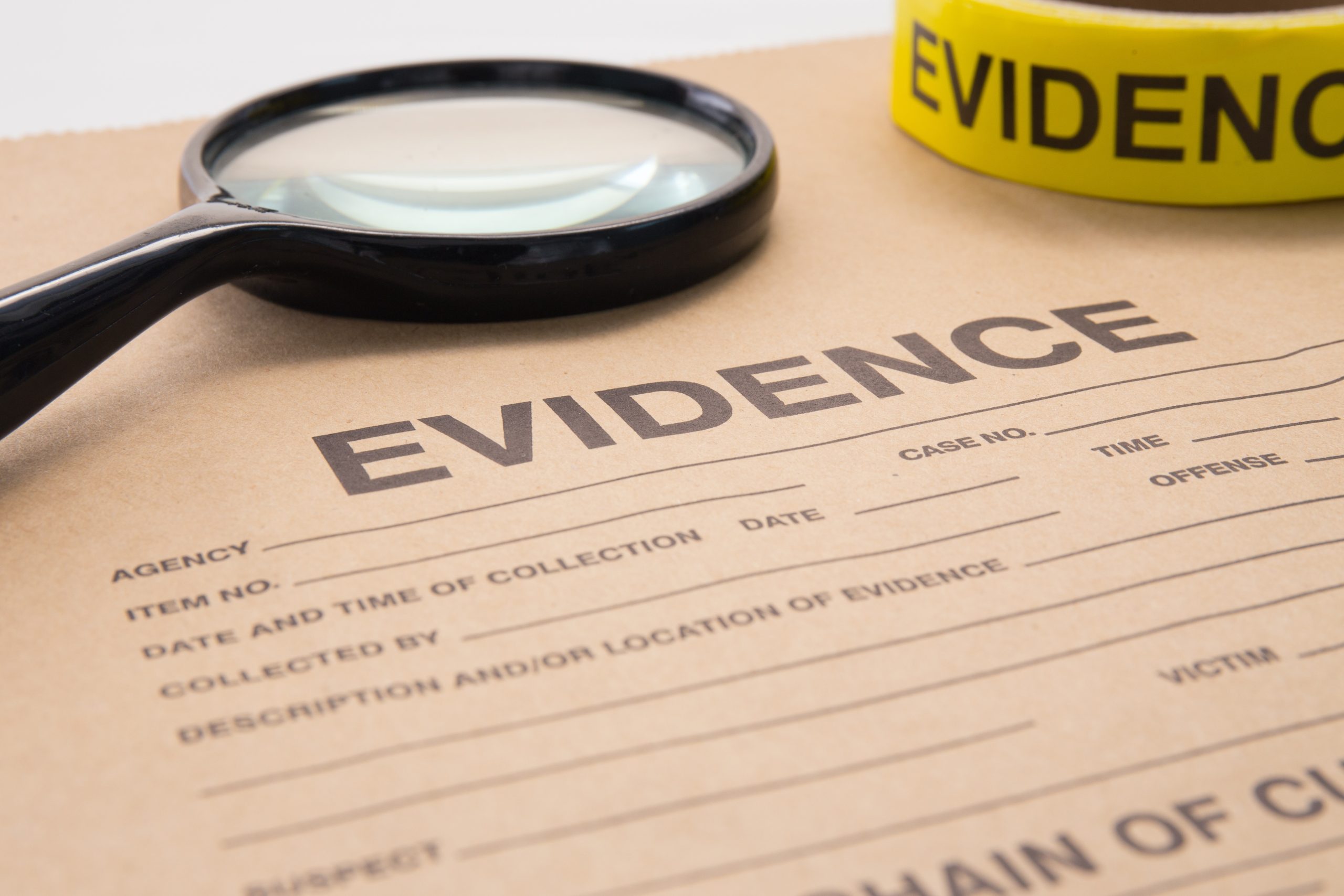 Under New York law, victims carry the burden of proof in lawsuits. In other words, to hold the other party responsible for your damages, you must first prove that their negligence caused your injuries. This means that you will need to present evidence to support your claims. As a general rule, the more evidence your attorney has to support your claim, the better the result you can expect. However, collecting evidence can be overwhelming, especially if you need help knowing where to start. The first few hours and days after an accident are often the most significant regarding the assembly and preservation of proof. When evidence remains uncollected or preserved for too long, it can easily get lost, forgotten, or destroyed.
Types Of Evidence Used In Personal Injury Lawsuits
The outcome of a case is highly contingent on the quality of your evidence. Inadequate evidence can dramatically decrease settlement offers or even lose the case altogether. Since insurance adjusters and jurors did not witness the accident, your attorney must use evidence to tell your side of the story. Jed Dietrich, Esq. recommends collecting the following evidence:
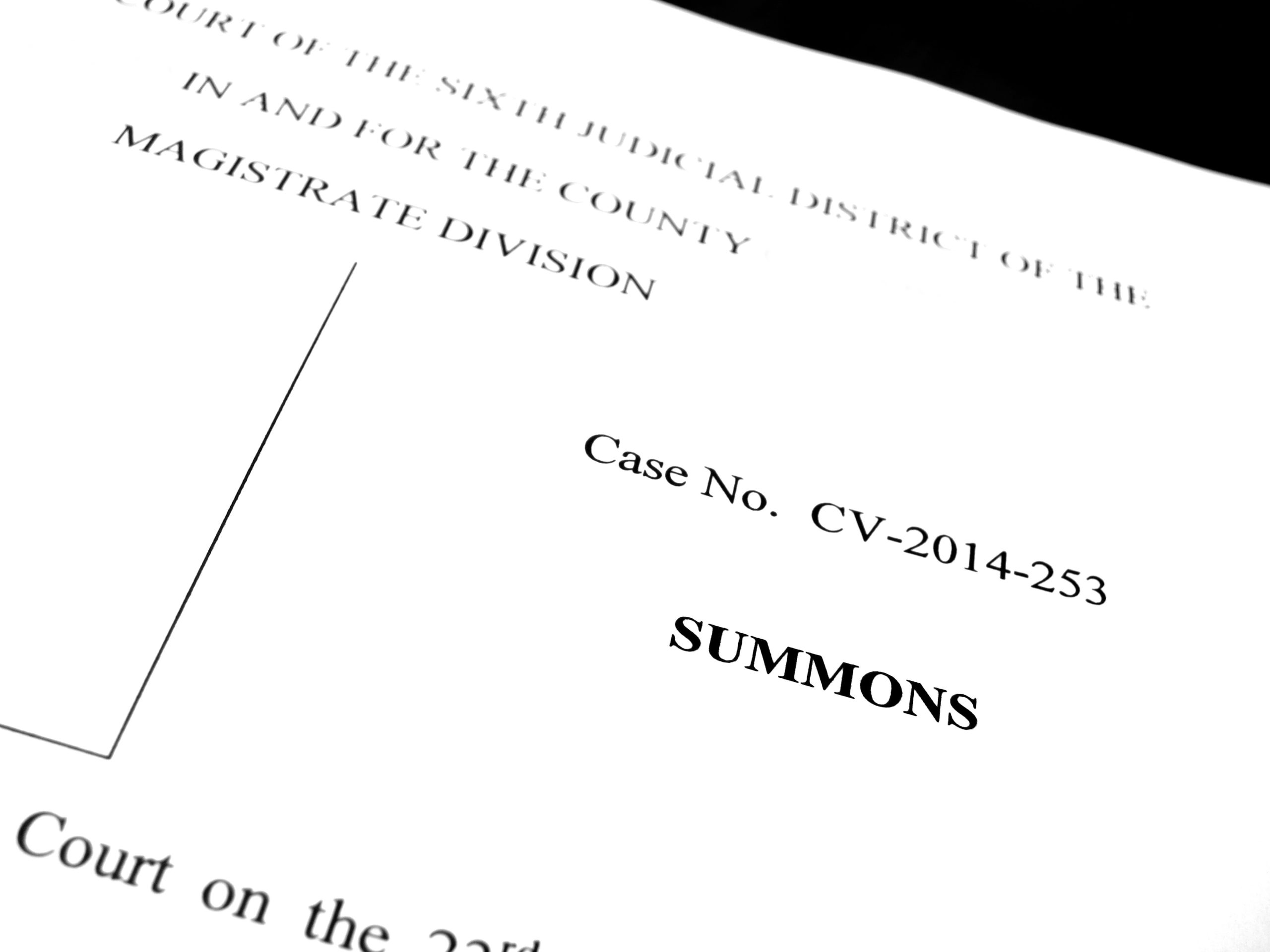 After being injured in an accident, knowing what to expect when pursuing your claim brings you peace of mind. Some of our most frequently asked questions are about the summons. At the beginning of a lawsuit, a summons and complaint are two legal documents served to all defendants. The summons informs the defendant of the plaintiff’s commencement of the legal action and demands that they answer the complaint.
  With an average of nearly 94 inches of snowfall per year, many Buffalonians consider driving through the snow to be a rite of passage. Unfortunately, driving anywhere in the winter can be extremely dangerous, especially during freezing conditions. When the temperature drops, ice often rapidly develops on our roads, highways, and parking lots. Since ice can make it difficult for a vehicle’s tires to maintain traction and significantly reduce friction, the rate and severity of car accidents drastically increase during winter. According to the National Highway Traffic Safety Administration (NHTSA), in a recent year alone, victims of wintry condition crashes suffered 374 fatalities and roughly 25,000 injuries.
 Personal injury accidents like car collisions often involve several parties. Whenever someone is partially to blame for a motor vehicle accident, they could be listed as a defendant and obligated to pay damages if found to be responsible for the plaintiff’s injuries. The rule of joint and several liability applies when there are multiple defendants. New York State’s joint and several liability law allows plaintiffs to hold defendants, individually or collectively, accountable for the total amount of their damages. In these cases, the plaintiff should consider how many defendants were involved, what percentage of fault can be allocated to each party, and each defendant’s automobile insurance policy coverage limits. Many drivers only carry New York’s minimum car insurance liability limits. While this may seem like enough coverage, the damages owed to victims in severe motor vehicle accidents often exceed these amounts.
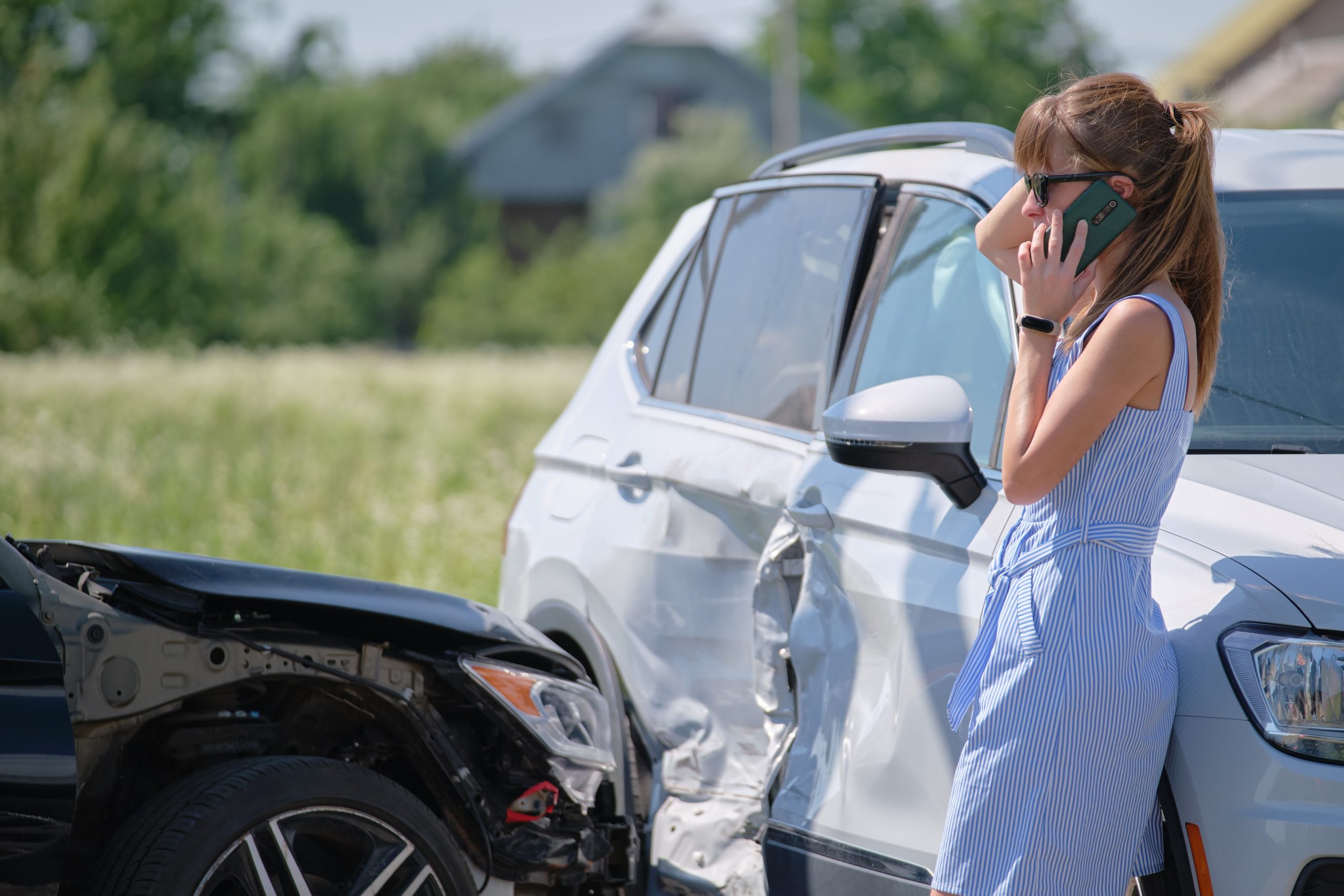 Suppose you were involved in a car crash and need to make an insurance claim or file a lawsuit. In that case, the Dietrich Law Firm P.C.’s top rated attorneys recommend obtaining a copy of the corresponding police report, also referred to as a police accident report. You can do this by going to the responding officer’s precinct and asking for it in person. The police department should be located in the jurisdiction where the accident occurred. However, you may be able to save yourself a trip by calling in advance to confirm. A copy of the police report will usually be provided for free. While it may be available immediately, sometimes it can take up to 30 days.
  Upon arriving at the scene of a car crash, the police will investigate to determine which driver is at fault. During this time, the officers typically interview the drivers involved and bystanders who witnessed the accident. Should the police conclude that a driver violated the New York State Vehicle and Traffic Law, they will issue a traffic ticket, also known as a citation. Consequently, the driver who received the ticket must go to traffic court. Suppose the other motorist suffered any damage, such as injuries, lost wages, or property damage. In that case, they might seek monetary compensation through a personal injury claim. Many car accident victims wonder whether the outcome of traffic court will impact their case against the ticketed driver.
  Although the last thing anyone wants is to be the victim of an accident, mishaps are part of life. To better safeguard you and your loved ones, it is imperative to be aware of the most prevalent types of accidents. Below, the Dietrich Law Firm P.C.’s team of personal injury lawyers has listed the most frequently occurring accidents along with crucial tips to avoid them:
  Suppose that you, or a family member, have been injured in an accident caused by another person’s negligence or recklessness. You may be able to file a personal injury lawsuit. Pursuing a case against the responsible party could be your only means to recover compensation. However, you only have a limited time to file your claim. The deadline is known as the statute of limitations (SOL). The statute of limitations, like a countdown, can significantly impact when or even if you can pursue your case. Regardless of the strength of your claim, when the statute of limitations runs out, your case will be considered time-barred. Meaning the defendant can assert that the statute of limitations has run out and ask the court to dismiss the lawsuit on that basis alone.
 Driving is the most dangerous activity the average American performs multiple times daily. When most people get behind the wheel, the thought of getting into a car accident never even crosses their minds. Drivers are more focused on reaching their destinations quickly. However, motorists are exposed to varying risks during their commutes depending on the time of day, day of the week, and time of the year. While the last thing any driver wants is to be seriously injured in a crash, car accidents are a part of driving.
 The human spine comprises 33 vertebrae, each separated by a spongy member referred to as a disc. Each spinal disc contains a jellylike nucleus encased in a rubbery exterior called an annulus. These discs act as shock absorbers and cushions for the spine. Back injuries are often excruciating and can make it difficult for victims to move. One of the most common back injuries is a slipped disc, also called a bulging or herniated disc. As many as 2 percent of adults throughout the United States suffer from slipped discs each year. This type of injury occurs when a portion of the nucleus pushes out through a tear in the exterior. While any spine segment can suffer a slipped disc, most occur in the lower back. When left untreated, herniated discs can potentially cause permanent and life-altering complications.