 Buffalo Personal Injury Lawyer News
How Does Joint And Several Liability Impact A Personal Injury Case?


 Personal injury accidents like car collisions often involve several parties. Whenever someone is partially to blame for a motor vehicle accident, they could be listed as a defendant and obligated to pay damages if found to be responsible for the plaintiff’s injuries. The rule of joint and several liability applies when there are multiple defendants. New York State’s joint and several liability law allows plaintiffs to hold defendants, individually or collectively, accountable for the total amount of their damages. In these cases, the plaintiff should consider how many defendants were involved, what percentage of fault can be allocated to each party, and each defendant’s automobile insurance policy coverage limits. Many drivers only carry New York’s minimum car insurance liability limits. While this may seem like enough coverage, the damages owed to victims in severe motor vehicle accidents often exceed these amounts.
Joint Liability Vs. Joint And Several Liability
Joint and joint and several liability legal principles allow victims to hold multiple defendants accountable for their actions. Joint liability differs from joint and several liability in that, in the first instance, the responsibility is spread equally among all of the defendants. In the latter, the responsibility shifts depending on the determined percentage of each defendant’s liability. A judge or a jury typically makes this determination. In New York State, defendants generally are held joint and severally responsible.
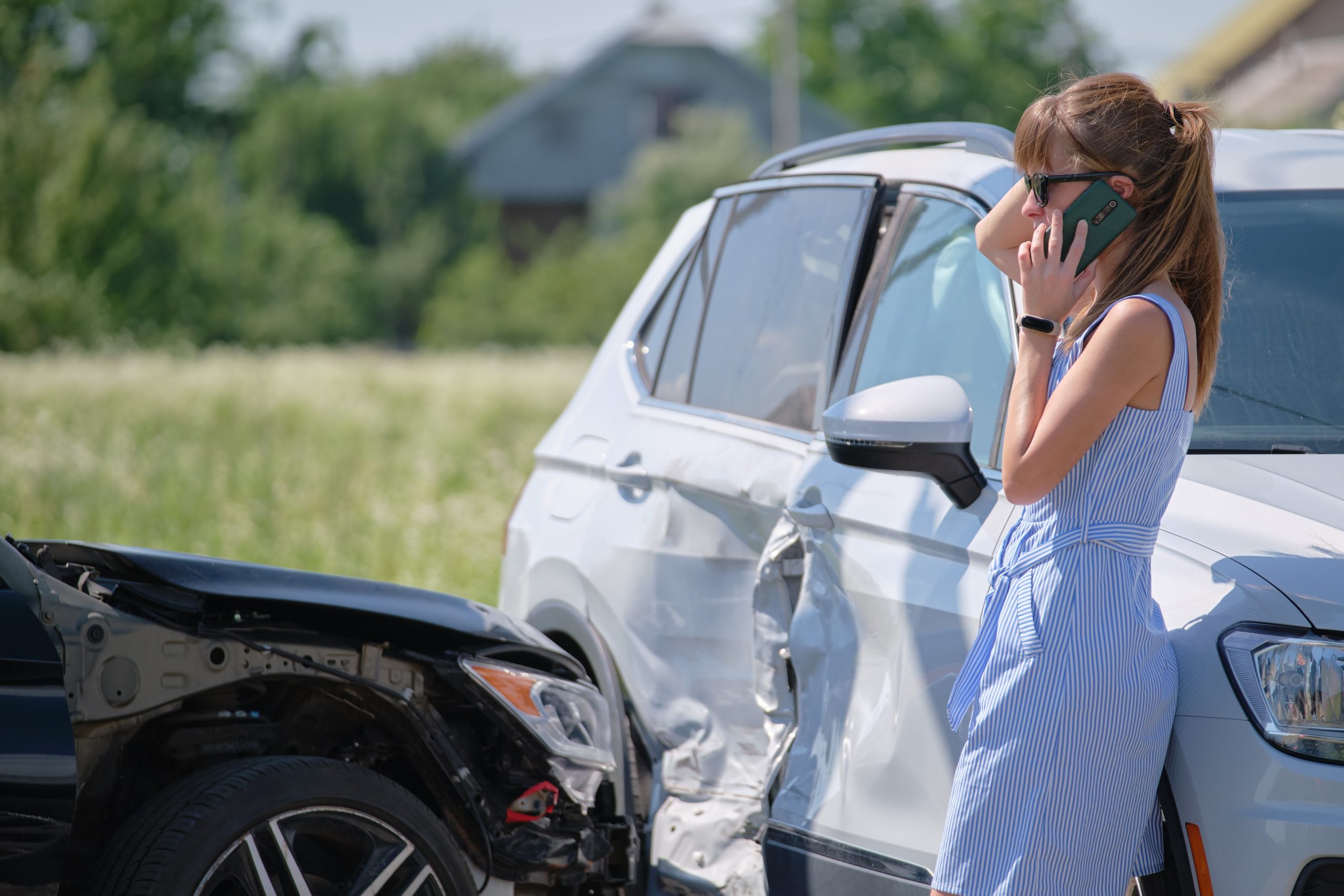 Suppose you were involved in a car crash and need to make an insurance claim or file a lawsuit. In that case, the Dietrich Law Firm P.C.’s top rated attorneys recommend obtaining a copy of the corresponding police report, also referred to as a police accident report. You can do this by going to the responding officer’s precinct and asking for it in person. The police department should be located in the jurisdiction where the accident occurred. However, you may be able to save yourself a trip by calling in advance to confirm. A copy of the police report will usually be provided for free. While it may be available immediately, sometimes it can take up to 30 days.
 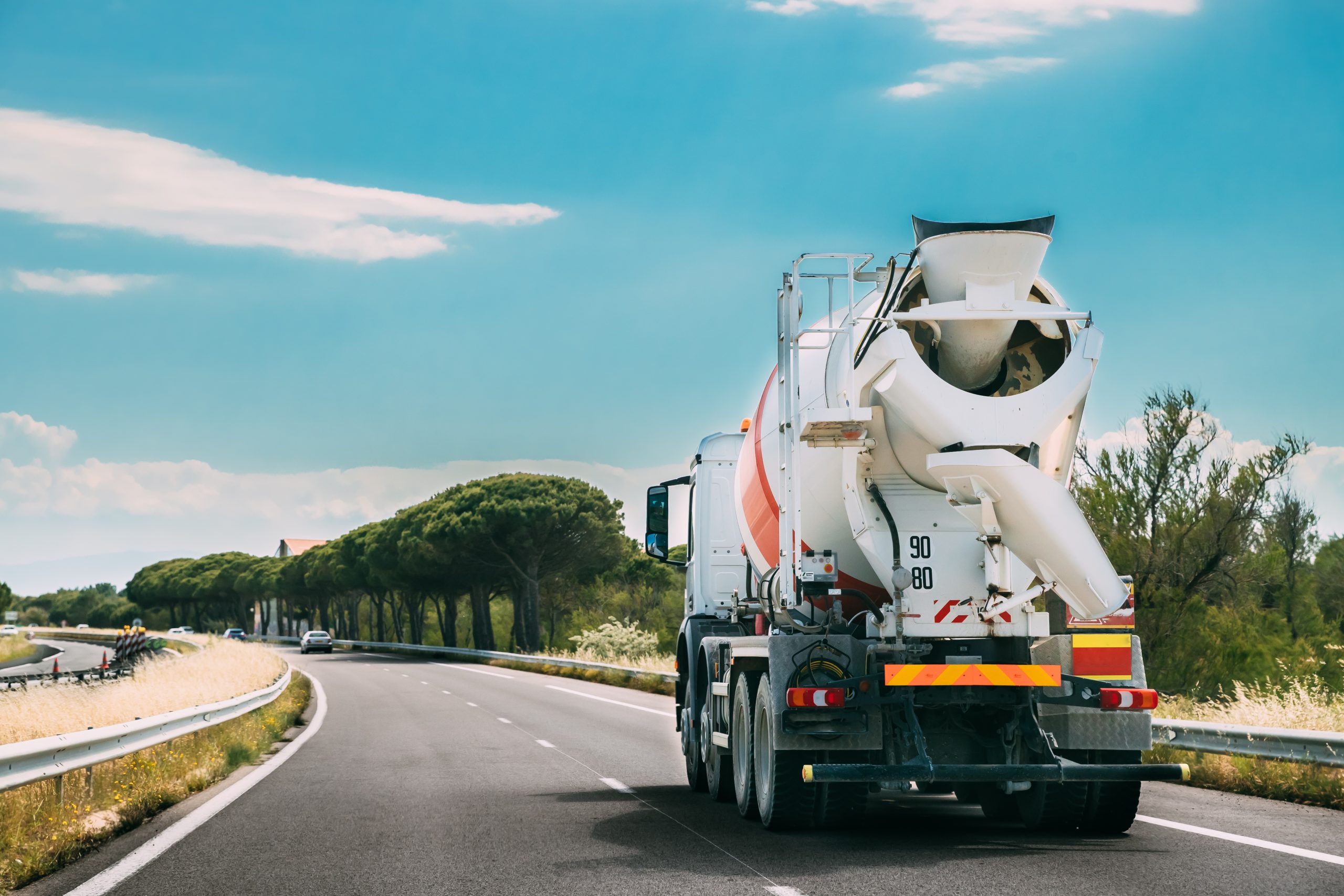 Cement trucks transport wet cement to construct foundations, buildings, and driveways. When transporting cement, these massive trucks can weigh over 60,000 pounds. Since the weight of a concrete truck is disproportionately located in the mixing drum, these vehicles tend to be highly top-heavy. As a result, cement trucks have a rollover rate ten times higher than cars. When concrete truck drivers cause accidents, occupants of other vehicles risk suffering devastating injuries or worse. Every time a trucker slams on the brakes or makes a sharp turn, they place others in significant danger. Although collisions are bound to happen, many cement truck crashes occur because trucking companies, inattentive construction companies, or negligent truckers lack oversight.